
The One Opponent Mike Banks Couldn’t Beat
If you’ve spent much time around our Branson campus, you’ve probably met Mike Banks. As CORE’s Director of Transportation, a 4D Recovery instructor, and manager of one of our men’s recovery houses, Mike is one of those steady, dependable people who quietly keep CORE running.
What many people don’t realize is that long before Mike came to CORE, he had already become one of the best pool players in America.
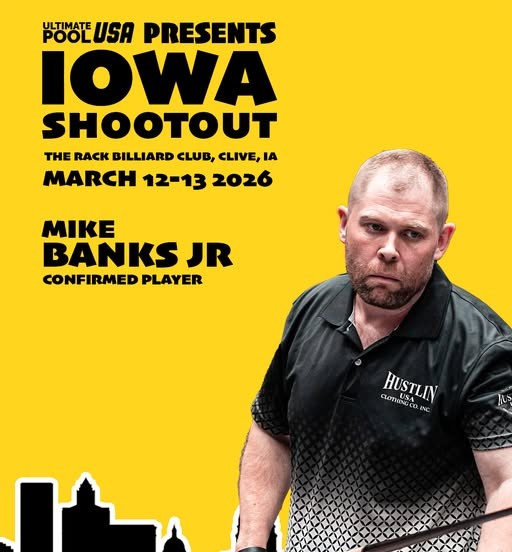
By the time he was ten years old, no one in his father’s pool hall could beat him. Before long, he and his father were playing for money. As a teenager, Mike was traveling throughout the Midwest competing in tournaments and matching up against the best players he could find. He eventually played in the U.S. Open, won major professional events, and built a reputation as one of the country’s most respected money players. In the world of high-stakes pool, his name became known far beyond Missouri.
Pool was more than a hobby. “I ate, breathed, and lived playing pool,” Mike says. Growing up in his father’s pool hall, he spent countless hours at the table while other children were playing Little League or attending football games. They say mastery requires 10,000 hours. Mike had blown through that milestone before he was a teenager.
His remarkable talent brought opportunity, but it also introduced him to a world few teenagers ever experience. Older players became his friends. Tournament weekends became normal life. Gambling, travel, late nights, alcohol, and eventually drugs all became part of the culture surrounding the game. What began as marijuana progressed to cocaine, methamphetamine, prescription painkillers, and eventually heroin.
From the outside, Mike seemed to have it all. By the age of eighteen he was traveling the country, winning tournaments, and walking into almost any pool room confident he could make money. Sometimes he carried thousands of dollars in his pocket. By twenty-three, he had hustled pool in forty-eight states.
Yet there was one opponent Mike could never defeat: addiction.
By the time Mike reached CORE at age twenty-four, he’d already spent years trying to quit. He’d completed detoxes, 28- and 60-day treatment programs, attended AA meetings, and even finished “90 meetings in 90 days” more than once. Every time he sincerely wanted to stop. Every time he found himself using again.
“I really wanted to stop,” Mike says, “I just didn’t know why I couldn’t.”
Mike first arrived at CORE in the summer of 2012. His daughter had recently been born, and his mother had taken temporary custody while Mike desperately searched for a way out of addiction. At first, all the talk about God held little interest for him. He nearly left, but everything changed during his first recovery class.
In that class Mike was introduced to a simple diagram many of our graduates know well – the cycle of addiction. In one illustration he saw his entire life: obsession, use, spree, remorse, and the relentless dissatisfaction that inevitably drove him back to the next drink or drug. For the first time, someone wasn’t simply telling him to stop. Someone was explaining why he couldn’t, and that understanding kept him at CORE.
Mike immersed himself in the Big Book of Alcoholics Anonymous and discovered that recovery is far deeper than staying sober. It wasn’t about becoming stronger than addiction, but surrendering the illusion that he could manage life on his own. Along the way, Mike also came to believe in God.
We’ve had professional athletes come through CORE over the years. What distinguished Mike wasn’t his success on the pool table. It was his willingness to invest himself in helping others and advance CORE’s mission.
He stayed with us for several years, leaving only after winning custody of his daughter. He returned to the Kansas City area, built a successful career outside of pool, found a church home, and remained sober for nearly a decade – until he stopped doing the things that had brought him recovery.
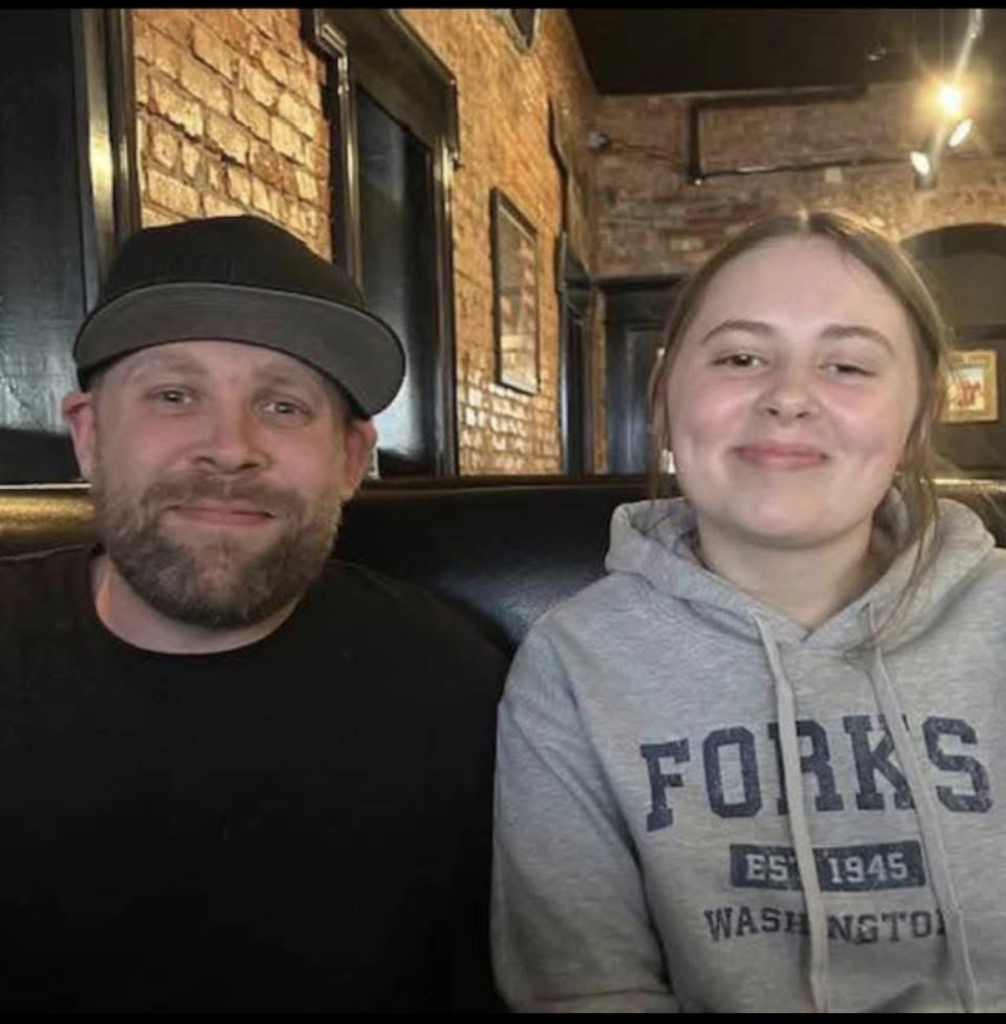
“I took back the reins on my life from God,” he says simply.
The relapse that followed became even darker than his first addiction. He found himself living in abandoned houses and trap houses, alternating between winning major pool tournaments and losing everything he had earned. The cycle he first encountered at CORE had returned with devastating force.
Finally, exhausted and broken, Mike called CORE and returned to us in January 2025. He wasn’t simply coming back to the program. Mike came back with a deeper understanding of recovery and a renewed commitment to helping others find it.
Just ask Mike what it means to manage one of our men’s recovery houses. He won’t talk about enforcing rules. “You’ve got to put people’s needs before your own,” he says, “being a good role model, because what my guys see is how they’ll want to be.”
Or ask why he teaches recovery classes and drives our clients all over southwest Missouri. Years ago, he served because that’s what the Big Book and others told him to do. Today, he sees the bigger picture. Helping others isn’t simply good for them. It’s essential to his own recovery.
“Providing for others’ needs not only helps them,” Mike says, “but I get a blessing too.”
Mike still competes at the highest levels of professional pool. He still travels. He still plays under pressure with thousands of dollars on the line. But today those tournaments are no longer his whole life. They’re part of a life grounded in faith, recovery, family, and service to others. That’s the balance Mike lost, and the balance he has found again.
Every week, whether he’s driving for CORE, teaching a recovery class, managing a house full of men, or heading off to another tournament, Mike carries this balance with him. The same man who once lived from tournament to tournament now spends his days helping others find the recovery he nearly lost.
It turns out the greatest victory of Mike Banks’ life wasn’t over an opponent across a pool table. It was the one opponent he could never defeat alone.