
Randi Barksdale: Finding Her Way Home
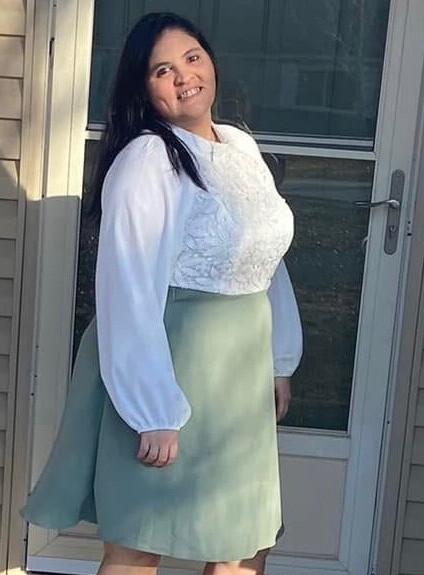
When Randi Barksdale talks about her life, she doesn’t mince words. She speaks first about people and family — the influential figures during her formative years who shaped her personality, her sense of belonging, and her emotional security. She is equally direct about her addiction, freely admitting that she “learned the hard way” her life did not have to remain stuck. Best of all, she speaks with visible joy about the path that led her to recovery and health at CORE.
Randi grew up in an Oklahoma town so small that its population has barely changed in a hundred years. Her roots there run deep. She is a member of the Muscogee Creek Nation, and some of her earliest memories include her great-grandmother speaking to her and her siblings in their native language. “That was the only language she knew,” Randi recalls.
Family remains central to her story. “My grandma is still alive,” she says. “My greatest joy in getting sober was seeing how happy it made her.” During the darkest years of her addiction, her grandmother once told Randi she could no longer see any light in her eyes. But last Thanksgiving, Randi being surrounded by family and sober at last, her grandmother told her the light had returned.
Randi’s addiction began in her early twenties through a relationship she believed would last forever. Her husband was himself an addict and drug dealer. He first introduced her to opioids, and later to methamphetamine. What began as experimentation escalated quickly. “It’s a dark hole,” she says. “There was no light at the end of the tunnel.” Even her love for her children, she admits, was not enough to pull her out.
After years of chaos, Randi came to Missouri hoping for change. She worked, raised children, and entered treatment more than once. But something essential was missing. “There was education,” she says. “There were assignments. But there was no recovery.” Each time she left treatment, she relapsed almost immediately.
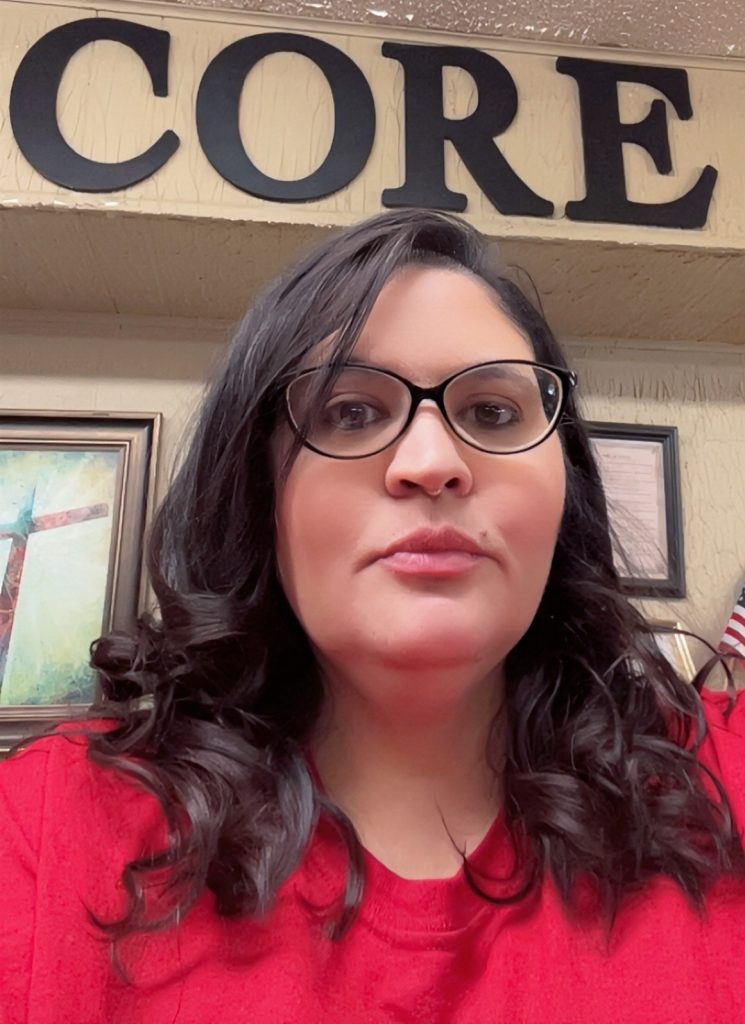
In early 2024, Randi faced her first serious involvement with the justice system. By then, the crossroads felt familiar. She had no money, no clear plan, and nowhere to go. What she did have, for the first time, was honesty and willingness. “I was done,” she says, “and I knew I couldn’t do it on my own.”
Randi arrived at CORE in June 2024 with almost nothing. “I had no money. I’d lost everything I owned,” she says. What she encountered at CORE was something entirely new to her: the Big Book of Alcoholics Anonymous. “As soon as I got it, I started reading. I’d never even heard of it before.” She admits she was mystified at first and leaned heavily on her housemates, bringing them questions about the Steps and how the program actually worked.
Life tested Randi early in recovery. Only weeks after arriving at CORE, she faced family medical emergencies involving a niece, and then one of her own children. In the past, such crises might have sent her headlong into relapse. This time, something was different. Surrounded by the women in her house, she stayed. “Every single woman in that house refused to leave my side,” she says. “That’s when I knew. This is where I belong.”
Randi worked her Steps daily, asking for guidance when she needed it and remaining willing even when it was uncomfortable. Slowly, the sense of stability and connection she believed was lost forever began to return. As that happened, her focus naturally shifted outward. She chaired her first AA meeting and later taught her first 4D recovery class at CORE’s Springfield center. Stepping into leadership surprised her. “I didn’t think I had those qualities,” she says. “They told me I was a leader, but I had to learn to believe it.”
That outward focus also shaped her professional path. Randi became a certified nursing assistant, a role that allowed her to combine care for others with hard-earned compassion. “I wanted to work in the medical field,” she says. “Helping people felt natural.”
Today, Randi serves as a house manager for one of CORE’s women’s residences and as the Women’s Intake Coordinator in Springfield. Often, she is the first voice someone hears when reaching out for help. “I love seeing new faces come in,” she says. “Even the ones who are struggling. I don’t give up on them. They’re still good.”
The work is demanding. Some women resist the very Steps that could change their lives. Randi understands that resistance well. “I’ve been there,” she says. “Sometimes I’m digging through the excuses, trying to find the real person underneath. But I know she’s in there.” She says her greatest satisfaction in working for CORE is helping newcomers achieve their sobriety goals.
Outside of CORE, relationships once broken are healing for Randi. She’s made amends with her parents and siblings, and she is making heartfelt living amends to her children, several of whom call her every day. Her family closely follows her recovery journey with pride. Her grandmother proudly displays Randi’s CORE commencement plaque on her wall.
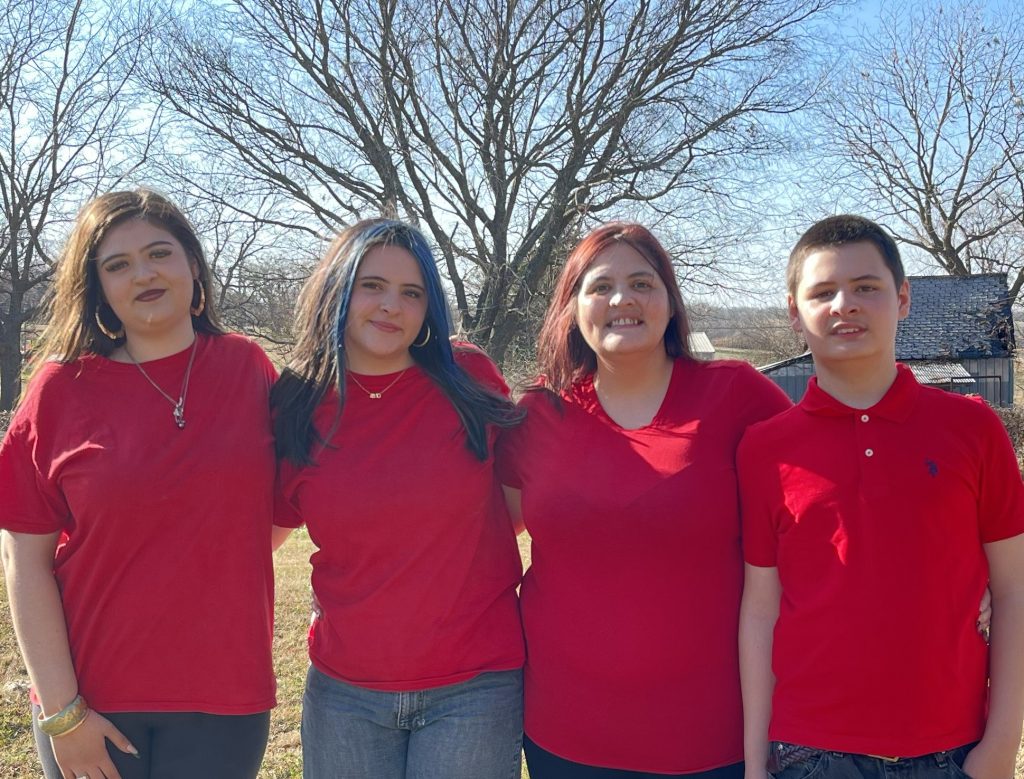
Randi gives all credit to God for her recovery. Her faith has deepened, not as an idea, but as something lived out daily. “God moved mountains for me,” she says. “He gave me life back. He made my heart beat again.”
When asked about the future, Randi does not speak about titles or positions. She talks about people. About helping women find their footing. And about CORE. “I will always be a part of CORE,” she says. “CORE saved me. It gave me life. I should have been dead. Instead, I’m here. And now I get to help other women find their way home.”
At CORE, we are so very grateful for Randi — for her courage, her honesty, and her willingness to turn suffering into service. Her story isn’t just about recovery found, but about recovery lived and shared. As she walks alongside newcomers searching for hope, Randi reminds us that the light can return, and when it does, it’s meant to be passed on.