
Toni Wiseman: Staying for the Miracle
When you walk through the halls of CORE, it’s easy to be struck by the bright eyes and ready smiles of our clients. You see people who are engaged, hopeful, and often full of laughter. But it’s just as easy to forget the desperation that brought them here. Behind every smile is a story of addiction, broken relationships, lost opportunities, and—especially for many of our female clients—a history of deep trauma.

Some people arrive at CORE so wounded that it’s hard to imagine a way forward. And yet, time and again, we witness something remarkable. Surrounded by compassion, structure, and the unwavering support of a recovery community, these same individuals begin to heal, change, and grow. They remind us that no one is beyond hope when given the chance and the tools to rebuild their lives.
Toni Wiseman is one of these people.
We recently sat down with Toni to learn more about her remarkable recovery journey. What we heard was more shocking than surprising. Sadly, stories like hers are all too common among our clients. Even so, the strength and resilience it takes to overcome a background like Toni’s is truly inspiring. All of us at CORE are deeply proud of her and profoundly grateful for her recovery.
Toni was born into a home where religion played a central role. But when she was still young, her parents divorced. Her mother remarried – and her stepfather turned out to be a predator in the home. When Toni was just fourteen years old, he singled her out, perhaps because of her small size. Around that same time, he introduced her to drugs and alcohol, and she quickly became hooked.
This same man was both her abuser and her drug dealer. When Toni speaks about that time, she makes it clear the drugs didn’t numb the pain—they made it worse. “Drugs brought out the demons of shame and guilt,” she told us. “At first I felt hurt, and when I started the drugs, there was shame.”
She began acting out at school and at home. She was expelled in the eighth grade and never returned. For the next six years, she remained under her stepfather’s influence. During a time when most young people are discovering who they are, Toni was lost in a fog of trauma, confusion, and addiction.
Looking back, Toni says her formative years were “really messed up.” The abuse and addiction froze her development, and she never experienced normal adolescence. Instead of hope, she lived with shame and fear. Toni grew up with a warped understanding of love, safety, and self-worth.
In her early twenties, Toni got married, hoping someone could rescue her from the pain. That marriage ended quickly, and she married again. Through it all, drugs and alcohol remained constant. “They were an issue,” she said. “They’d been an issue since I was fourteen.”
Toni tried to hold her abuser accountable, but the authorities were uninterested. The more she tried to speak up, the more push back she received. Her relationships with family and neighbors grew strained. She remembers wondering who would ever take her side. Looking back now, she sees her adult life as a long struggle to escape her past—without yet understanding what she truly needed to be free from.
When her second husband died, Toni drifted. She began couch surfing and was sometimes homeless. She continued using drugs, unable to stop and unwilling to let go of the pain. “Things got really bad,” she said. “I couldn’t go a day or a minute without some kind of substance. I was high all the time.”
Her life might have continued on that path, but then two things happened. First, her mother passed away. She too had struggled with addiction and was one of the few people who understood Toni’s pain. Second, a former CORE client saw her struggling. That former client told her about our program and, when Toni agreed to come, drove her here personally.
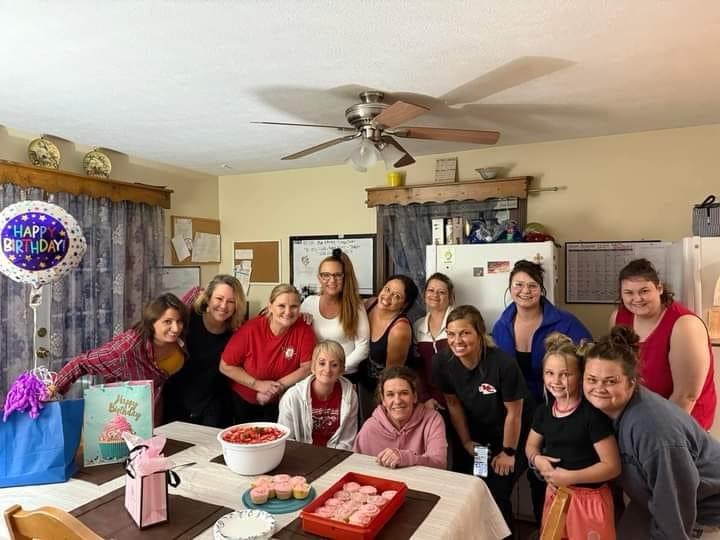
Toni’s first experience at CORE was short-lived. “I was here for a couple months, felt better, and wanted the people back home to see it.” But she wasn’t ready. She left too soon and relapsed. It happened again before she finally slowed down and took the suggestion of her peers to work the recovery program.
Several of our current house managers came alongside her. “I couldn’t have done it without them,” she notes, “working the 12 Steps, helping people, looking at my fears, and loving me until I could love myself.” She also learned to forgive. And when that happened, something amazing followed. “For the first time, I started living. Everything was new to me. I got a new career. I had people who rely on me, not only at my job but also at CORE.”
She says CORE helped her turn her life around. “It’s been everything to my recovery,” she said. “They opened the door and let me in when nobody else would. They believed in me, held me accountable. They saw something in me that I didn’t see in myself. And they pointed me toward God.”
Today, Toni no longer battles the obsession. She gives the credit to God:
“I can trust Him today, and I can live life now, knowing that He wants good for me. I was a mess out there, in a spiritual war, although I didn’t understand that then. I wanted someone or something to save me, so I looked to drugs, to music, to men, to family, to the justice system. I stopped trying to figure it all out when I got to CORE and just looked for a relationship with God. His mercy and grace brought me through all that. I was looking to feel right inside of myself with all of those things, but I never got right within myself until I found God.”
When Toni completed our one-year recovery program, she wasn’t done yet. At the suggestion of Program Manager Kevin Hunt, she applied to join the Second Mile group. “It was about giving back,” she says. “I felt like, in my second year, I should be giving back both to the community and to CORE. I wanted to share the message.” For those unfamiliar, the Second Mile is a group of recovered clients who give back by volunteering at charity events and CORE fundraisers. Recently, they adopted Birch Road in the City of Hollister, and they keep it spotless.
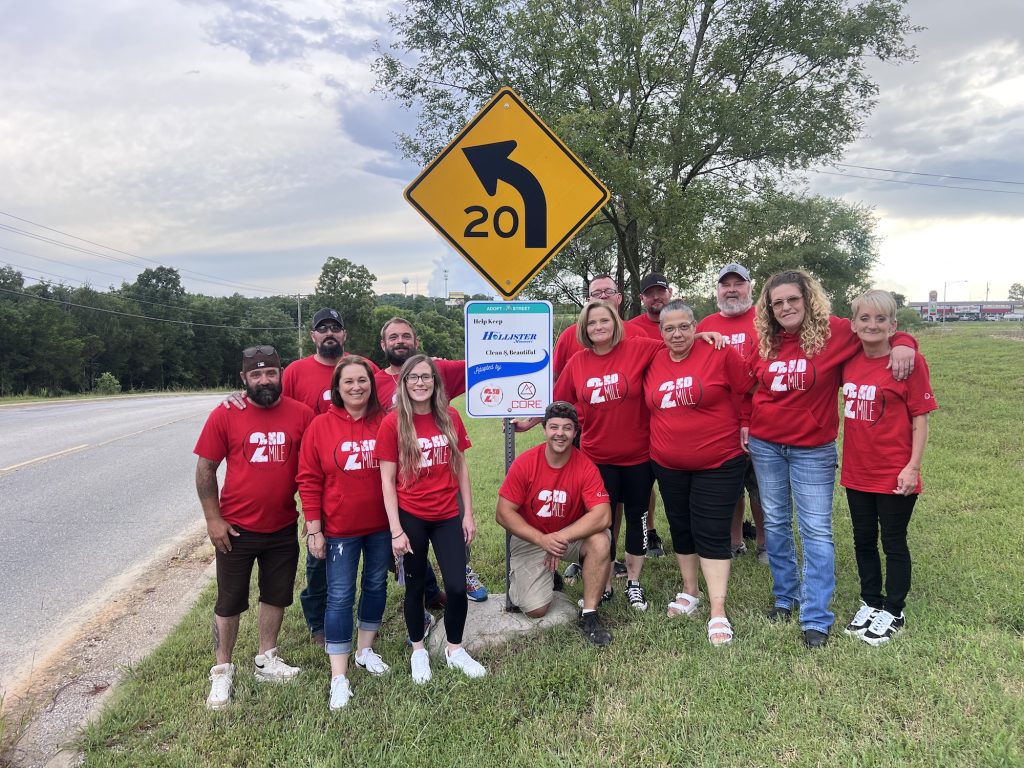
Toni also stepped up within her CORE house. She started as a chore coordinator and worked her way up to a leadership role. She sees her position as one of encouragement and hope. “I want to see them stay for the miracle and see what happens—that they love God and receive forgiveness in their hearts. That they realize God’s mercy and grace are bigger than anything we can imagine.” She finds satisfaction and purpose in serving the women around her.
Toni now has 20 months in recovery. Her next goal is to become a certified drug and alcohol counselor. When asked where she sees herself in five years, her answer is clear: “Being a counselor. A drug and alcohol counselor!”
We’re so pleased for Toni and her progress. CORE will always be here to support her as she works to help others find serenity and hope in recovery.