Shrimp, Crawfish, and Gratitude


Shrimp, Crawfish, and Gratitude

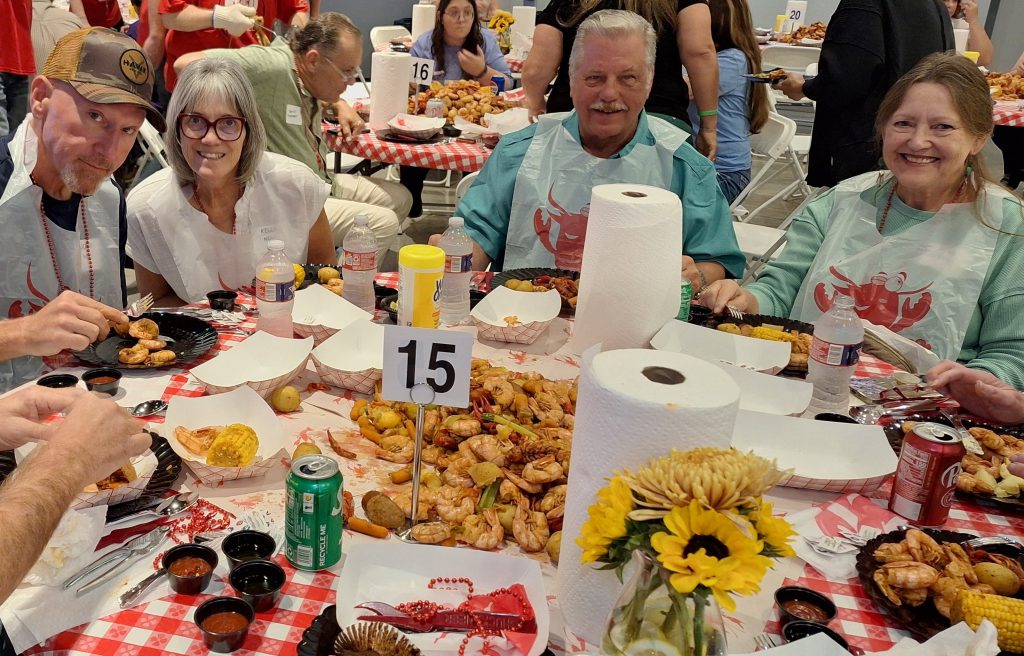
Each fall, CORE hosts one of its favorite traditions: the Annual Shrimp & Crawfish Boil. This isn’t a fundraiser or an appeal. It’s a no-ask evening set aside purely to say thank you and celebrate the generous people whose faith and giving make everything we do possible.

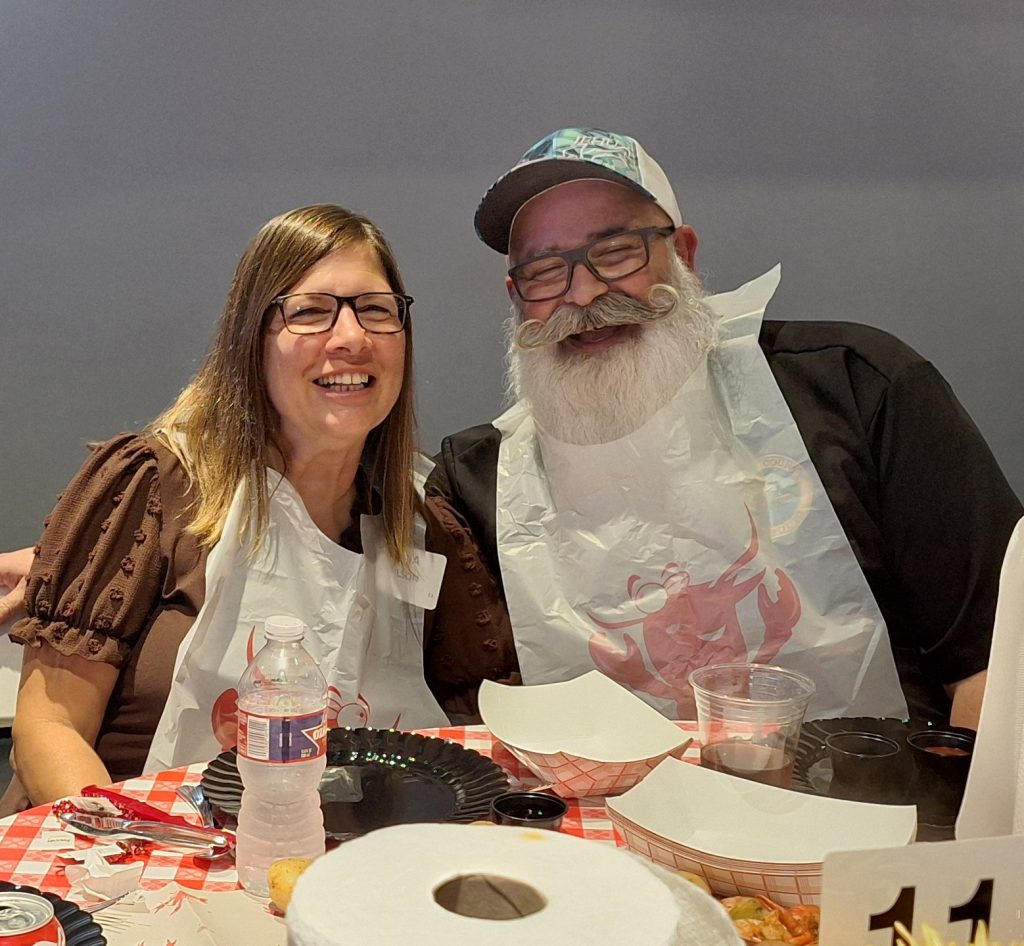
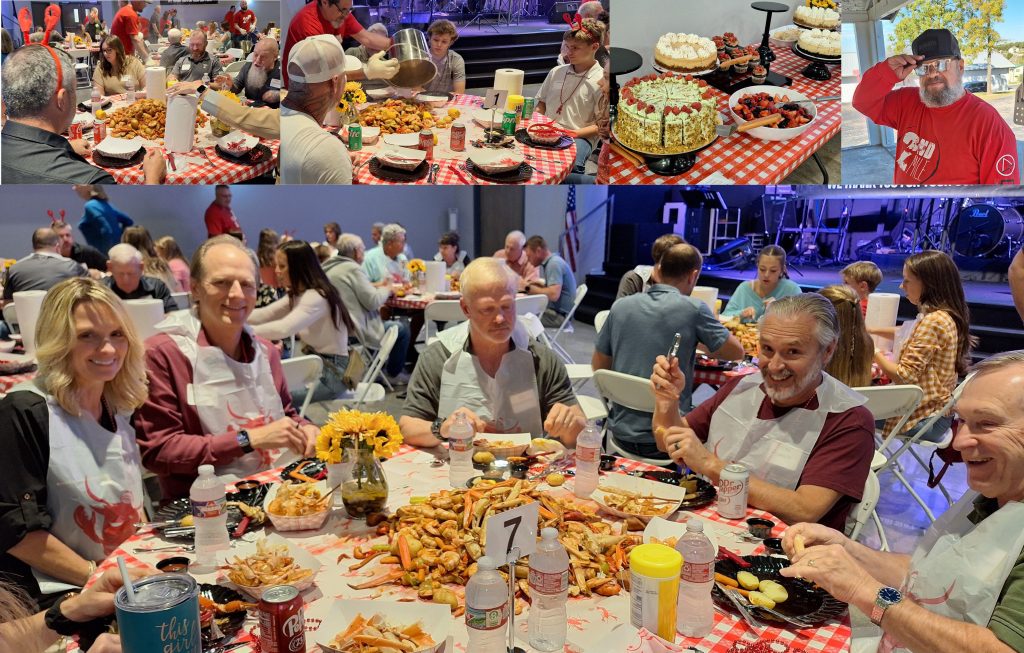
On October 16, our donors and patrons joined staff, Second Milers, and alumni for an absolutely shrimp-tastic meal. The tables were alive with laughter, conversation, and the unmistakable aroma of shrimp, crawfish, and good Southern cooking. It was the perfect opportunity for our supporters to meet one another, visit with our recovery community, and see firsthand what their generosity is building here.

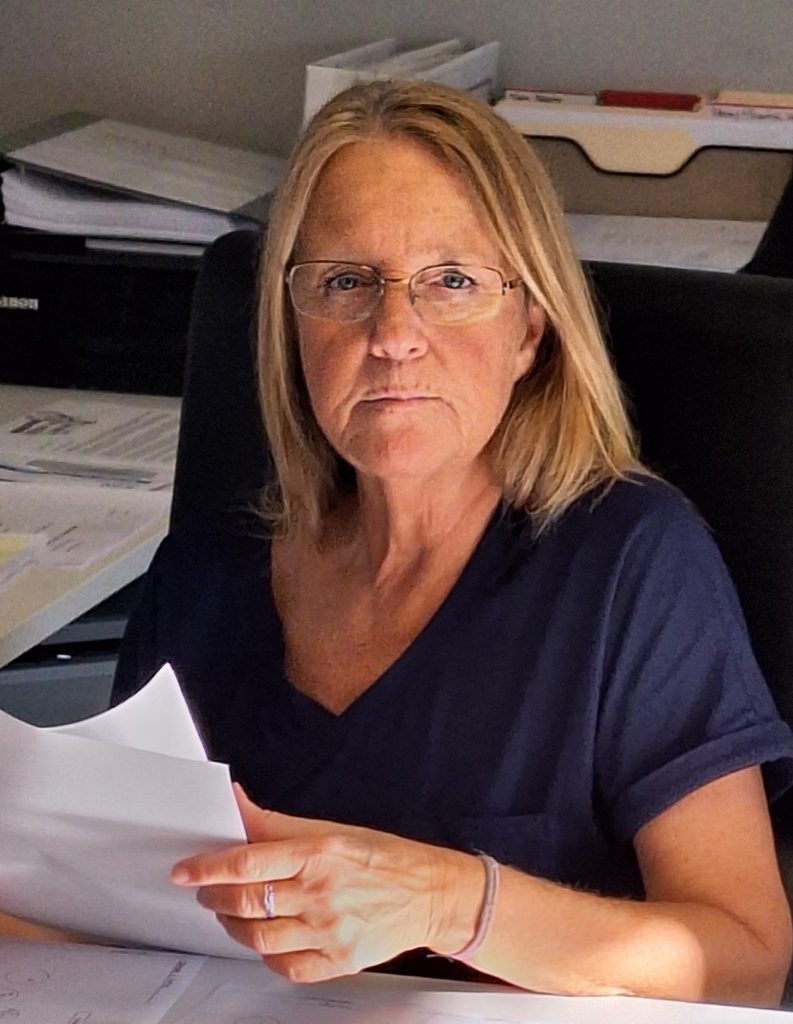
Much credit for this year’s success goes to CORE’s own Tami McKinney. A month before the event, she retreated to her strategic underground HR office to begin planning. After many hours immersed in details, she finally emerged from her bunker with a master plan that guaranteed the most cray-mazing Cajun boil this side of the Mississippi.

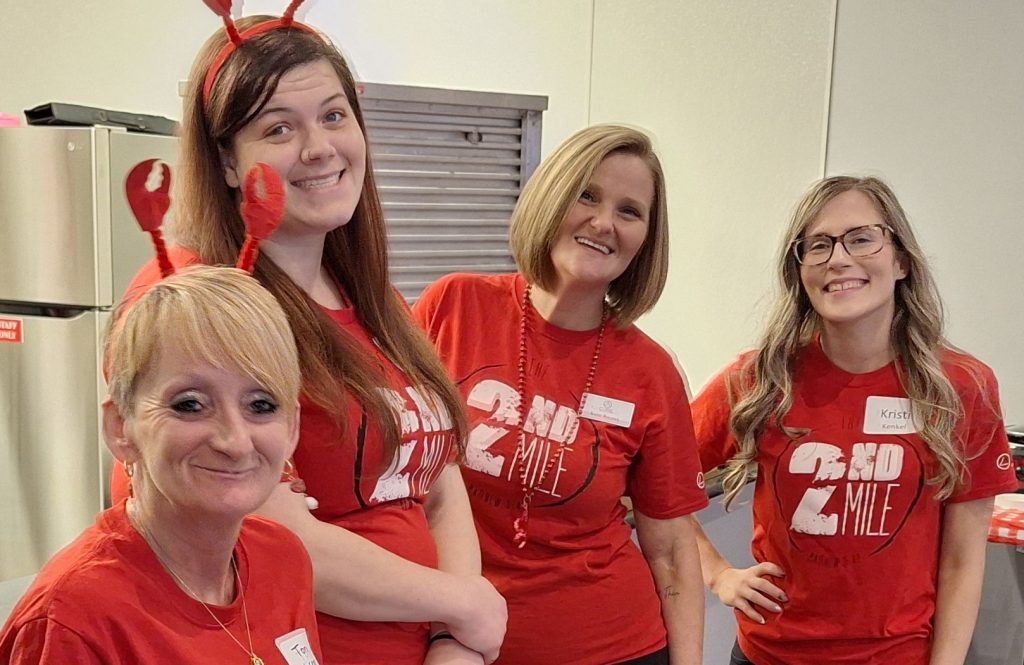
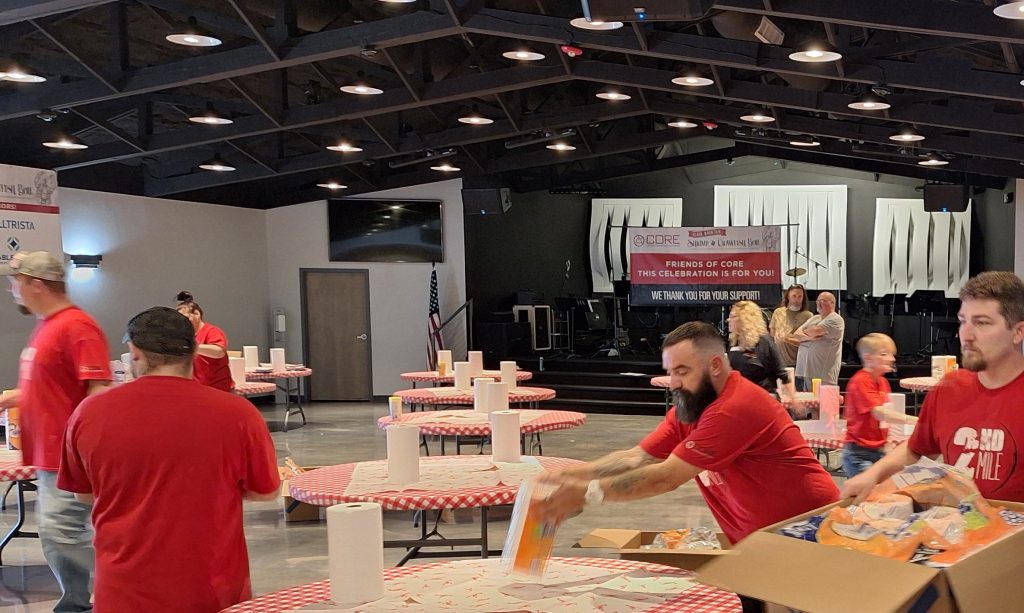
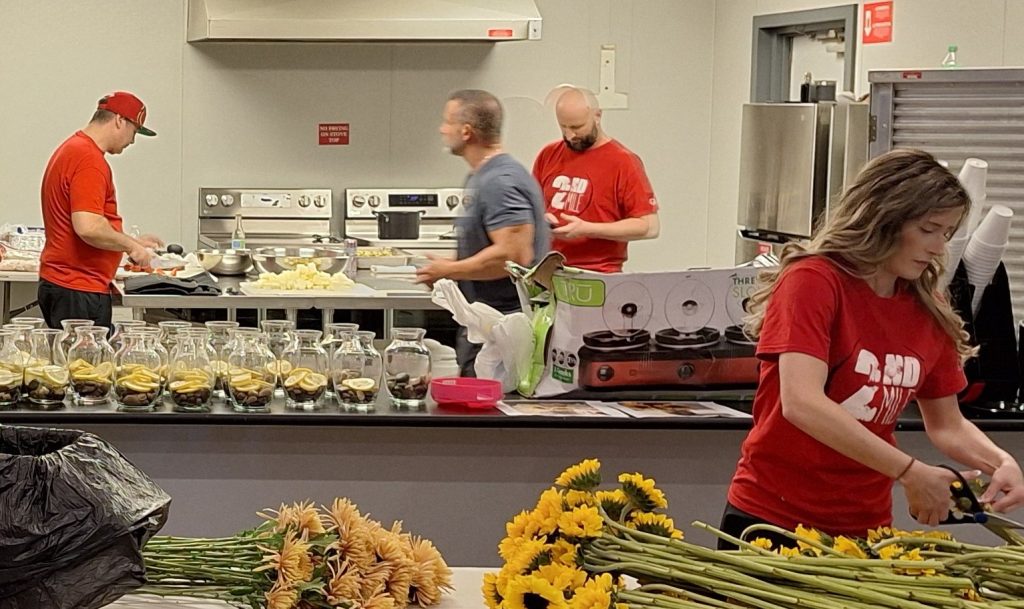
On the big day, a team of CORE people brought her plan to life, transforming our auditorium into the most bayou-friendly place in Branson. Second Milers, volunteers, and alumni hung banners, set up tables, and helped our talented chefs prepare the feast. Bracy Sams oversaw the shrimp and crawfish boil, while Christos Papanikas and Adam Yorty handled a delicious stuffed pork loin. Abby Boone made sure the dessert table stayed flawless all night.

The night had all the makings of a great party, but the heart of it was in our supporters. They are, quite simply, the best. They recognize that addiction is not a choice but often the result of pain and confusion that once felt impossible to escape. They also know that with the right help and support, CORE’s clients can rebuild their lives, rediscover purpose, and become the best versions of themselves. Our supporters take genuine joy in helping clients do exactly that.

It is no exaggeration to say that our donors help make miracles happen here every day. They stand behind every person restored to health, every parent reunited with a child, and every individual who finds faith in God. Their generosity turns hope into reality.

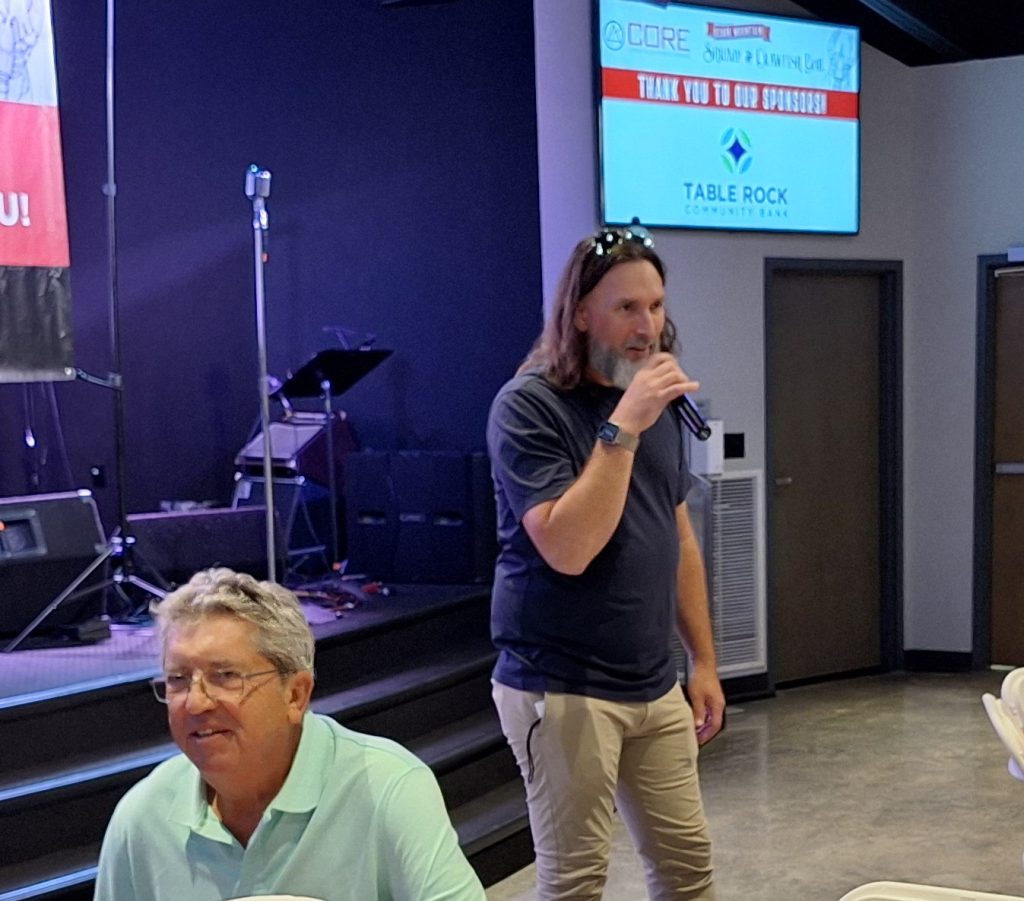
We also want to recognize our amazing event sponsors, whose generosity helped make the Annual Shrimp & Crawfish Boil such a success: Dr. John and Mrs. Tina Stickman; Jan and DeYon Blase; Jim Ed and Callie Summers; Alltrista; MissouriAmish.com; Mr. Ed’s Old Downtown Texaco; and Table Rock Community Bank. With their help, CORE served up both shell-icious food and great fellowship in true Cajun style.

As the tables filled and plates were passed, CEO Cary McKee took the stage to remind everyone what the night was truly about: gratitude, pure and simple. It was about the wonderful people who make CORE’s mission possible, not through obligation, but through love.

To everyone who attended the Boil, and to every donor, volunteer, alumnus, and client who stands behind this ministry, we say Thank You! Your generosity keeps the flame of hope burning bright. You make recovery possible. You make CORE what it is.

Giving Thanks, CORE-Style


Giving Thanks, CORE-Style

Every November, Americans gather to give thanks. We share food, laughter, and a little too much togetherness. Someone always brings the green-bean casserole, another insists on talking politics, and at least one person volunteers you for dish duty before dessert. But when all is said and done, Thanksgiving still reminds us of what matters most: family, friendship, faith, and God’s grace that allows us to begin again. For these, we are deeply thankful. And may all of us be ever mindful that gratitude turns whatever we have into enough.

At CORE, gratitude runs deep. We remember what it was like to wake up without hope, and we know how precious it is to wake up with purpose. Every day free from obsession, every meal shared in peace, and every quiet moment of contentment, is something to be thankful for.

For this month, we asked members of our recovery community to share what they’re thankful for. As always, their words say it best:

For my recovery and for the life I have today serving God. For my CORE family — this place saved my life. For my family, who I’ve been reunited with. I live an awesome life and serve an awesome Lord! 
— Robin T

Being a giver to the lives around me instead of only a taker. That means the most to me, especially when I’m with my family, knowing I can bring something good to the table instead of being a hassle or a headache and doing something stupid.  I’m truly thankful to God for my recovery. Before coming to CORE, I was sleeping in the back seat of my ’03 Taurus. Now I get to help others, and there are even people who look up to me.
— Dylan B

My relationship with my family and my son. Three years ago, I didn’t have that. Now I’m welcome. I’m thankful for my career, for being financially stable, and for saving enough to buy a house. And CORE — oh yes, they saved my life. Without them, I wouldn’t be here.
— Megan W

Being sober and living a new life — two and a half years and counting. 
— Matt N

I’m thankful to CORE for the fellowship, community, and spiritual foundation it offers. And I’m really grateful to God for giving me both the opportunity and the understanding to share the message of recovery with others. 
— Tamara S

My sobriety and for the wonderful blessing of having my children in my life. My family is healthy, and that alone is a gift. I’m grateful for CORE, where I’m surrounded by people who’ve walked the same road, keep me accountable, and let me give back by helping others.
— Mike B

My relationship with God. He’s restored relationships I thought were beyond repair. I’m grateful for His Word, and for the chance to apply the principles of the Bible and the Big Book to my life every day. I’m also thankful for my job and for the people I work with, and for the second chances, and multiple chances, God has given me. 
— Heather S

For God’s amazing grace, His unconditional love, and everything He’s doing in my life today. In a nutshell, that’s everything. 
— Justin L

I’m thankful for this program and for everyone who helps make recovery possible. I’m thankful for my ex and for my daughter, who’s in college and not following in my old footsteps. I’m grateful to my Higher Power, whom I know as Jesus Christ. And I’m thankful for my parents in California — I plan to see them soon and reintroduce them to their son, who has regained his faith. 
— Joe R

Having the rebuilt relationships with my family and earning their trust again. I’m close with them now, and that means so much to me. I’m thankful for my recovery and for my relationship with God. Most of all, I’m grateful for my independence and being able to trust my own thinking and handle problems differently than I used to. 
— Kristie K

My sobriety, my family, and my health. I’m thankful for CORE and for the sponsors who keep this place running. And most of all, I’m thankful to God, who is the reason for all of it. 
— Jeremy H

I’ve been clean for four years, and it’s brought my family back together. I get emotional because that means so much to me. And CORE — I couldn’t have done it without their help. They showed me how it works. 
— Brian F

I’m thankful for my relationship with my family and for being someone they can count on. I’m grateful for my job and for all my family here at CORE. 
— Abby B

I’m grateful for my second chance at life. I’m grateful to have my family back. I’m just grateful to be alive. 
— Spenser R

To have God in my life and a great team of guys around me who support me. It’s inspiring to watch them experience the same blessings I’ve received through this program, and to see them grow and mature as they continue their walk. 
— Eric S

My restored relationship with my children and my family, and for having my mom here with me. I’m thankful for my recovery, even though I’m out of the program now, and for the family I still have here at CORE. 
— Katie R

Giving back to the people who have helped me so much. It’s a warm feeling to know I’m doing work that makes me happy and helps others too. It’s truly a gift from God. 
— Adam Y

I’m grateful for this program. It saved my life back in 2015 and gave me a sobriety that I can’t even compare to the rest of my life. I’m thankful for the leadership here, but just as much for the new people who come in every day.  They keep me going and strengthen my own recovery. I have a great relationship with my children today, too.  We’ve returned to the closeness we had before I was absent from their lives. I can’t even begin to express the gratitude I feel today. 
— Patrick G

Spending time with my family sober and giving back to the community. I fall more in love with the Lord every day. 
— Toni W

I’m grateful for my recovery, for my salvation, and for the family I’ve found here at CORE. 
— Daniel B

The people I work with and for the fellowship we share. I’m thankful for Jesus — that God gave His only Son for us. And most definitely, I’m thankful for my recovery. I’d probably be in jail or underground without it. 
— Neil F

CORE, for teaching me how to lead and for helping me rebuild the parts of my life I once thought were lost forever. Through CORE, I’ve learned leadership, patience, and guidance. 
— Randi B

The opportunity to help others. I’ve always wanted to have a purpose and be useful.  Now I’ve been given that chance. Whether it’s with my family, because I wasn’t much help as a husband or a father, or with friends, coworkers, or anyone I meet, I finally get to give back. Having the opportunity to help people means everything to me. 
— Dallas C

The Newcomer Who Wasn’t There


The Newcomer Who Wasn’t There

When a new client first walks through the doors of CORE, most believe they already know what their problem is: they drink or drug too much. Fix that, they figure, and everything else will fall into place. It sounds simple enough. We’ve heard countless newcomers say it almost word for word: “If I just stop using, I’ll be fine.” Their families often think the same thing.

Happily, many of these individuals do recover. They come to understand their disease—its symptoms, causes, and conditions—and they learn how to overcome it. They stay at CORE until the time is right to move on. Applying what they have learned, they go on to live productive, purposeful lives. They give back, help others, and often become civic-minded members of their communities.

But others take a different path. They pledge abstinence, swearing off the bottle or the pills, believing that if they can just stay sober, the cure will be complete. They attend classes, find jobs, and notice they are avoiding substances. With each day going according to plan, their confidence grows. Yet with that confidence comes something else: a quiet conviction that they no longer need the structure or accountability of a recovery program. The classes start to feel stale. Even the program, which they never truly began in the first place, starts to feel unnecessary.

After all, they tell themselves, they are working and earning money. They are paying bills, showing up, and doing what other adults do. Who has time for someone looking over their shoulder under those circumstances? They have learned their lesson, they say. They will not make that mistake again. Some convince themselves that if they do drink or use again, they will certainly know when to stop. So they leave, despite all advice to the contrary.

What happens next is predictable.  And never good. Around CORE, we do not need a full hand to count the success stories that begin this way. It’s never positive. Never. Not ever. And sometimes, it’s tragic.

The newcomer who arrives convinced that their only problem is drinking or drugging is vexing for several reasons, not least because they often seem like friendly, well-intentioned people. But something is plainly missing.  There is a disconnect between their expectations and the true gravity of their illness. The usual spark of awareness, the willingness to go deeper and address their real problem, seems totally absent. It is almost as if the person wasn’t there. The wherewithal necessary to tackle the reasons for their substance use is nowhere to be found.

By itself, abstinence without more turns out to be an empty promise. The Twelve Steps are not a program by which we finally attain abstinence. They are a plan for living happy, joyous, and free of drugs and alcohol now that we’re abstinent. It’s an important difference. In other words, quitting doesn’t make us recovered; it’s having recovered that makes certain we’ve quit.

Viewing abstinence as recovery is like judging the act of waking up in the morning as having had a successful day. Our substance use happened because we were unable to live life on life’s terms. Quit or not, the world isn’t going to change for us, and there is no way around this. Sooner or later, every addict and alcoholic who would recover has to change themselves. They have to alter the way they view and relate to themselves, others, and the world around them.

Importantly, our character defects inevitably step into the spotlight once we’ve quit. It turns out that our true malady is maladjustment to life itself, the inability to live at peace with ourselves and others. Without working the Twelve Step program and incorporating its lessons into our daily existence, the selfish, self-centered person we have always been will become glaringly obvious. The perfect life we imagined would follow abstinence won’t be found anywhere.

So we begin clashing with people. We start doing nearly anything to get our own way. We chase love or sex without regard for the damage it causes. We bend the truth in business or relationships if it suits our purposes. We make half-hearted attempts to justify the wreckage we cause, or we ignore it. At the core, our lives are still being run by the same self-will that fueled our addictions in the first place.

And it is not just the big-ticket items of our day that get poisoned. When we are running self-centered, the turmoil never stops. When our contentment depends on getting what we want, when we want it, every minute of the day becomes another opportunity for disappointment and agitation. Someone empties the coffee pot before we get to it – resentment. A meeting runs long – frustration. A supervisor points out a mistake – fear and dishonesty rise up as we rush to defend ourselves. A family member or friend interrupts our comfortable evening at home – inconsideration flares.

Little things pile up, and before long our negative attitude is dragging us through the mud yet again. By bedtime, we are restless, irritable, and discontent, even though we stayed “sober.” Our sobriety at that point may not feel any better than active addiction. It may even feel worse, but either way, at this point it’s pick your poison. Deep down, we may know the terrible things that could happen – will happen – if we use again, but we lie to ourselves, make excuses, and eventually justify falling off the wagon. When the inevitable consequences arrive, we shrug and say, “What difference does it make? Everything’s a mess anyway.”

The hard truth is that addicts and alcoholics are not just nothing while running in our addictions; we are also nothing in our abstinence unless something deeper changes within us.

The Big Book captures this dilemma with piercing clarity. On page 61, it sketches several characters: a retired businessman who sits in the Florida sunshine griping about the sad state of the nation; a minister who sighs over the sins of the century; politicians and reformers convinced that utopia is just around the corner if everyone else would only behave; and even an outlaw safecracker who blames society for his downfall.

What do these people have in common? They are locked into their own narrow, self-centered point of view, believing that the world and everyone else is the problem, and that everyone else must change for them to be at peace.

Here’s the rub: this will never, ever happen. If we’re going to find peace, someone obviously has to change, but it won’t be everybody else. And the Big Book gets down to brass tacks and logically drives this point home:

Selfishness—self-centeredness. That, we think, is the root of our troubles.”

And this is our malady, it turns out. Not the bottle, not the needle, but our self-centered lives. The upshot is that unless the abstinent newcomer changes his relationship with others and the world around him, he is doomed to frustration, misery, and an eventual return to substance use.

The necessary change happens by working the Twelve Step program of recovery, which produces a dramatic change in our attitude and outlook on life!

Imagine going through an entire day, only this time with a completely different, genuine spirit of consideration toward others. Instead of snapping, “Can’t I just get a break?” when interrupted at home, what if we pause to appreciate our family member or friend and engage them with warmth? Instead of creating disappointment and distance, we would be building closeness and joy.

Or consider the meeting that runs long. Instead of reacting with frustration, what if we responded with patience and sympathetic understanding, helping to resolve the issue? Our value in the workplace might rise, not fall, and our relationships with coworkers may even deepen.

Even something as small as an empty coffee pot could look different. Instead of muttering resentfully, what if we made another pot, with the quiet thought of helping someone else start their day a little easier?

These are not big, dramatic gestures. They are little things. But when these and countless other moments are strung together over the course of a day, they amount to everything. When the minutes of our lives are filled with self-centered reactions, the whole of life becomes sour. If we orient these same minutes toward others and doing God’s will, the whole becomes peaceful, connected, and very much worthwhile.

That’s the real miracle of recovery. The Twelve Steps lead us on a journey of self-discovery and self-surrender. They ask us to admit what we have been, to face what we are, to make amends for what we have done, and to pursue daily the guidance of our better angels. Through this process, we don’t just quit drinking or using. We not only become new people, but so does the world – in our eyes.

So the next time a newcomer says all they need to do is quit, we may smile “at such a sally,” as the Big Book describes, but we also need to convey the truth. Quitting is a great beginning, but it’s just the start, and hopefully one of many real and positive changes in their life.  The real journey is not removing substances from life. It’s about discovering the person apart from drugs and alcohol who, with God’s help, they’re meant to be.

Cody Walker: Breaking the Cycle


Cody Walker: Breaking the Cycle

When we sat down to talk with Cody Walker about his life in addiction and recovery, what struck us most was his determination to end his family’s long history of substance abuse. Several times during our conversation, Cody said firmly, “I’m going to break this cycle for good.” He has seen firsthand what addiction can do—the deaths of relatives, the chaos of a childhood surrounded by drugs and alcohol, and the heartbreak of losing his own children to DFS. Yet today, Cody has the fruits to show that he is keeping his commitment. A man of faith, he has recovered and now helps others do the same. He has restored meaningful connections with his children and built a stable career he is proud of.

Cody grew up in North County St. Louis, surrounded by alcoholism and addiction. Drugs and alcohol at home made money tight and housing unstable. Cody remembers stretches living in Motel 6s and Super 8s, missing a year of school, and bouncing through local districts. In a family where substance use was commonplace, chaos felt ordinary. “I thought my childhood was normal,” he says.

He first drank at thirteen, sneaking a bottle of champagne and liking the feeling it gave him. By fifteen, he was smoking marijuana on weekends, and, as he puts it, “By the time I graduated high school, I was already an addict.” His drug use escalated, first to ecstasy, then cocaine, and finally methamphetamines, which became his drug of choice. “I told myself I’m just going to do it on weekends,” he recalls, “until it became a through-the-week thing, and then I’m waking up and needing it.” Throughout his twenties, he was perpetually high and couldn’t understand how anyone could go through a day “normal.” He still held jobs—painting, construction, warehouse work—but his life revolved around the next drink or drug.

What began with a stolen bottle of champagne became the framework of his daily existence. There were fights, county jail time, and even gunplay. Cody was powerless, like so many in his family. “It really had a grip on us,” he says. “Uncles and aunts passing away. An aunt overdosing on my uncle’s front porch while he was dying. My family knows loss because of addiction. It was a big family there for a while, but most of them are gone.”

At twenty-nine, Cody experienced the one truly good thing to ever happen to him: he became a father. “All I ever wanted was to be a dad,” he says. “That’s all I ever wanted. Finally, God gave me the opportunity.” Two years later, another son was born. His desire to be a good father was strong, but not as strong as meth. While he made sure his boys were always provided for, he couldn’t get clean no matter how hard he tried.

Everything came to a breaking point in November 2020, when his three-year-old son slipped out of the house barefoot and shirtless on a cold day. The DFS arrived, and within minutes, both boys were gone. For a man who had always dreamed of being a father, it was devastation. Addiction had stolen plenty before—his jobs, his dignity, and his peace of mind—but this was different. “I lost my whole family in forty-five minutes,” Cody remembers, “everything I ever wanted.”

The year that followed was his darkest. Alone and drowning in guilt, Cody tried to end his life. That’s when his sisters stepped in. One took in his children, and the other sent him to rehab. At the time, Cody saw only enemies in the system, but that treatment center became his lifeline. It was there that he first heard about CORE, and soon after, he made his way to our Springfield program.

At first, Cody went through the motions by attending classes and completing outside parenting and intervention programs.  But nothing deeper clicked. It took six months before he had what he called an “epiphany moment.” With the encouragement of mentors at CORE, Cody finally began studying the Big Book and working the Twelve Steps in earnest. For the first time, he wasn’t just existing in sobriety, he was building a new life within it. He told us how the words began “popping off the page” of the Big Book and giving him goosebumps. Recovery, he realized, was about more than staying clean. It was about transforming his entire relationship with life, God, and himself.

Cody spoke warmly about what CORE has done for him. In the beginning, he said, CORE gave him something he hadn’t had in years: a safe place to recover. The program gave him daily structure, accountability, and, most of all, people who cared enough to help him rebuild. It wasn’t just a roof and rules. He found CORE to be a place where he could breathe, slow down, and begin piecing his life together. He mentioned many by name: Neil Finley, Bracy Sams, Nick Zahm, Kim Stewart, and Alexandria Powell—all of whom, in one way or another, stepped up to help.

The love and care he received from CORE meant the world to Cody. He says he has always been the kind of person who, if someone shows him a little faith, he’ll give them everything in return. CORE gave him that chance, and he seized it. And once he began working the Twelve Steps in earnest, the Big Book’s promises became real.

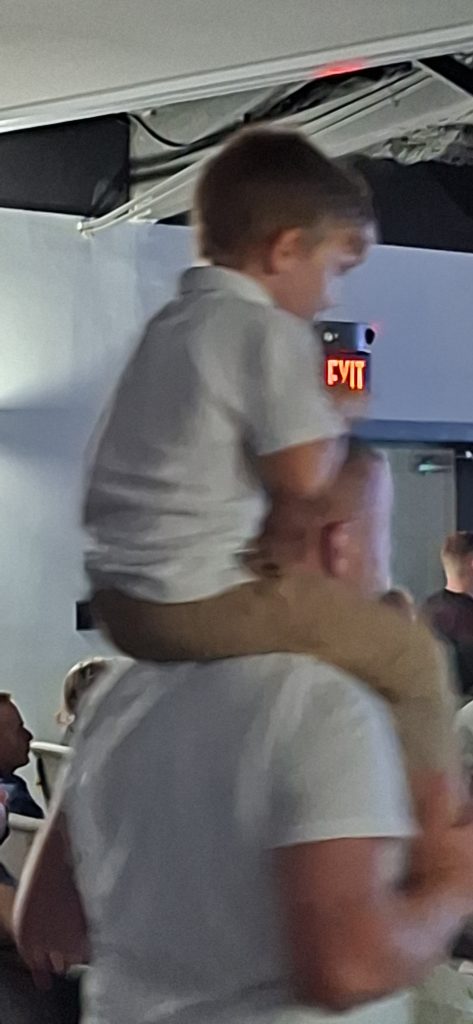
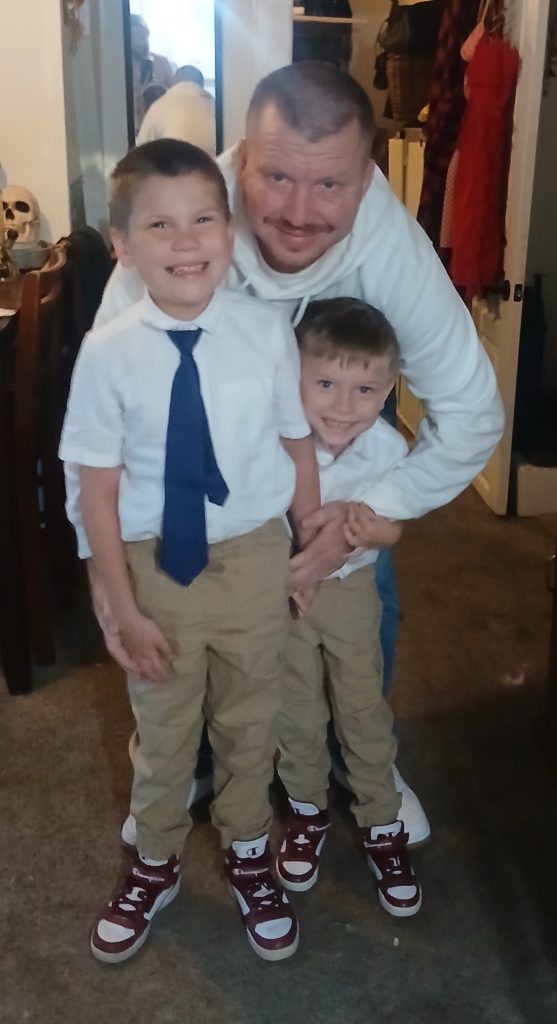
Today, Cody is reunited with his sons. When his sister first took them in, visits were supervised, doors were locked, and communication was limited. As he stayed sober and consistent, those walls came down. Cody has rebuilt trust and is once again a father in every sense of the word. They now attend CORE Church together each week, and his youngest often rides on his dad’s shoulders during the song service.

As he progressed in recovery, Cody’s gratitude naturally turned outward. He began volunteering as a driver for the program, later becoming a house manager. He doesn’t call himself a leader in the traditional sense; he prefers walking alongside the men in his house, showing by example. “The most important thing about being a house manager,” he says, “is meeting the clients one-on-one, helping them begin their steps, and guiding them closer to God. Their relationship with God is everything. It’s got to be personal.”

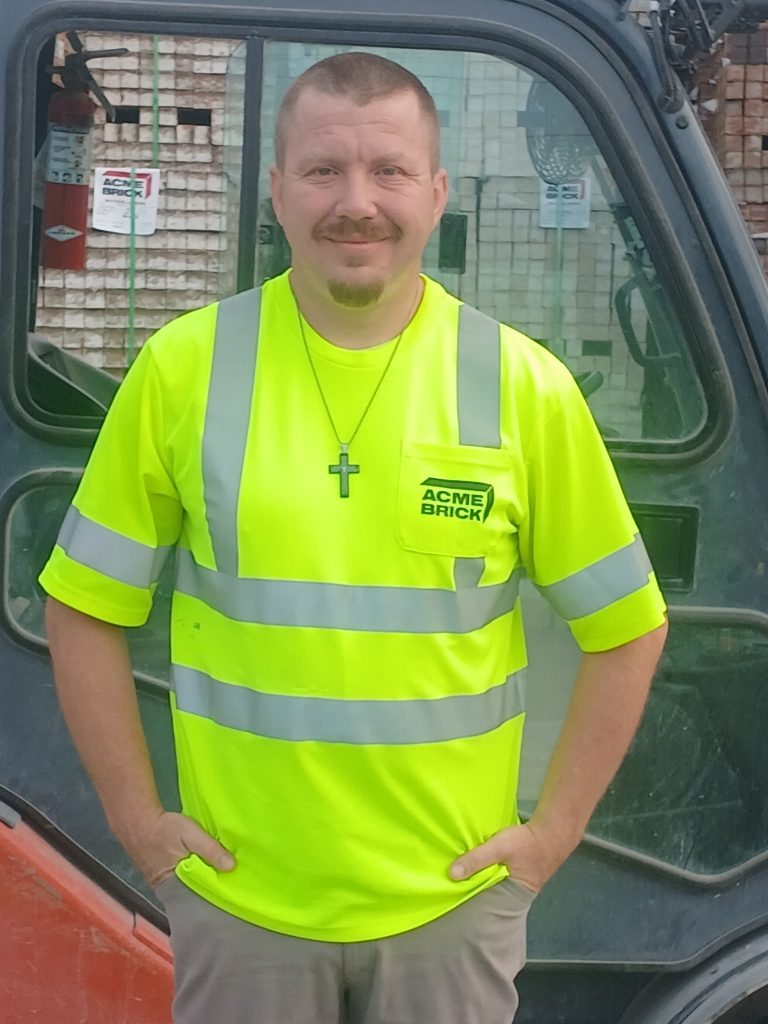
Cody’s work life soon began to mirror his growth in recovery. What was supposed to be a short-term warehouse job at Acme Brick has become a full-fledged career. He learned the trade, moved into the yard, and eventually became yard manager. Cody says that becoming a steady provider and respected role model at work feels like redemption, for which he is grateful.

Spiritually, his understanding of God has transformed, too. He no longer demands miracles and blames God for loss, but rather sees God as the guide who points the way. “God is here to direct the boat, to give direction, and my job is to row,” he explains. He embraces Romans 12:12: “Be joyful in hope, patient in affliction, faithful in prayer,” as a motto for his recovery. With the obsession to use now gone, he feels only gratitude for the silver linings, even viewing the loss of his boys as the turning point that saved his life.

Looking to his future, Cody plans to one day buy a home in Springfield where his boys can grow up in the safe, stable environment he never had as a child. Until then, he is content mentoring newcomers and watching others rebuild their lives just as he has. “I get to be part of somebody’s life being changed at CORE,” he says.

We at CORE are very proud of Cody and his recovery progress. He is living proof that the cycle can be broken! Through faith, perseverance, and the support of our recovery community in Springfield, he has turned tragedy into hope, purpose, and meaning.