
Thanksgiving Reflections at CORE

Thanksgiving Reflections at CORE

As Thanksgiving approaches, CORE wishes everyone a harvest of blessings, good health, and happiness! This holiday is a special time to gather with loved ones and reflect gratefully on the peace, abundance, and blessings in our lives. And, of course, we get to share delicious food and watch football, too!
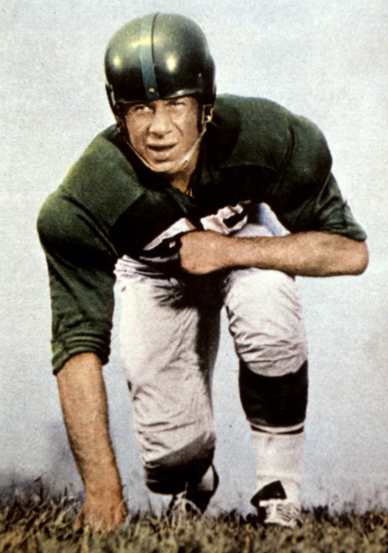
Thanksgiving Day is a favorite holiday at CORE because gratitude is at the heart of recovery. With this in mind, we recently attended a CORE event in search of thankful people – and we were not disappointed! Tape recorder in hand, we stopped as many current and former clients as we could catch to ask what they’re most thankful for. Their answers, shared below, are a gift to us all this season.

“I am thankful for my relationship with God and all the amazing people he put into my life.  And opportunities, too.  I’m manager at my job now.”
– Abby B

“For Jesus Christ, my salvation, and recovery.”
– Daniel B

“I’m very grateful for my new life, financial stability, and freedom.  I never thought I could live on my own, because for the longest time I didn’t trust my own thinking.  But having my relationship with God, I was able to take that leap of faith and have confidence.”
– Kristi K

“I’m thankful for my relationship with God that happened through working the 12 Steps.  And having my family back together – my wife and children.  I’m also thankful for CORE, the men and women here who led me out of the hole of addiction.”
– Dallas C

“We have leaders in this program who provide leadership, guidance, and direction on a daily basis. And the girls here – they knew where I came from, held me accountable, and helped me through my character defects.  I’m also thankful to be able to give back.  This program saved my life three years ago.”
– Jeana K

“Understanding what it means to be in God’s grace and actually knowing God – I wouldn’t trade them for anything.”
– Robert S

“God loves me, looks out for me, and directs me.  I’m thankful for my sobriety today.  I’m thankful for CORE, for giving me a safe place to lay my head, and for the people here and the friends I’ve made, who’re like family.”
– Robin T

“How God is working in my life, and for the CORE program and the people in it.  I’ve been sober 3 ½ years by the grace of God and this program.  They saved my life.”
– Adam G

“For God – my relationship with God.  This Sunday will make four years.  It’s a complete miracle.”
– Jen B

“I’m really grateful for the support system I have here, and for everyone I’ve met.  I’m thankful for CORE.”
– Robert M

“I’m grateful for the person God has helped me grow into and the relationships he helped me build.  For literally everything – for my life.”
– Stephanie U

“I am thankful for God putting me here to see others find recovery.  And my life in sobriety too.  My nieces and nephews just know me as their aunt Alex.  I’m recovered.”
– Alexandria P

“My sobriety, employment, and home.”
– Matt N

“God gave me another chance in life.  I’m thankful for his understanding and forgiveness, and everything that comes with it.  My family and loved ones, and building a new family within CORE.”
– Jen M 

“I’m thankful for the opportunity to serve God, and the opportunity to give back to the program that’s given so much to me.”
– Todd T

“For God and CORE, who helped me become the person my son and parents are proud of and thankful for.”
– Megan W

“I’m grateful for the opportunity to serve people who are in need.  I can give back to a community who needs my help.”
– Don S

“I’m thankful that God showed me who I am, my real self and identity.  I’m a better version of myself with values and purpose.  And for the CORE program, of course, and the people I know here.”
– Heather S

“My life, recovery, and for my family and children loving me again.
– Brian F

“Second chances, open doors, and my recovery family.”
– Tamara S

“Relationship with God.  My family.  My sobriety and recovery.”
– Dylan B

“This year I’m most grateful for my children and relationships with them, and for the people who took care of them while I couldn’t.”
– Katie R

“God took my hand and walked me through this.  I couldn’t have done it without him.  I’m just really thankful that he’s held onto me the whole time and I succeeded.”
– Samantha S

Jay Scribner: Friend of CORE

Jay Scribner: Friend of CORE

Since our inception, CORE has been fortunate to receive the invaluable support and guidance of many esteemed business and civic leaders from the Tri-Lakes area. While we typically refrain from name-dropping, when one of our most respected community leaders agrees to sit down for an interview, we can’t help but proudly share:

Meet Jay Scribner! 

Jay and his wife, Kay, have been integral members of the Branson community since 1977. For twenty-eight years, Jay faithfully served as a pastor of First Baptist Church, and his subsequent retirement hasn’t slowed him down in the slightest. He has continued his ministry work with the same passion and dedication—and that includes his significant contributions to CORE! We recently had the pleasure of sitting down with Jay to discuss his impactful role in our program and to hear his thoughts.

Originally from Illinois, Jay received his degrees from Oklahoma Baptist University and Southwestern Baptist Theological Seminary. His early work in Fort Worth’s inner city equipped him with the skills and vision to grow Branson’s First Baptist Church from a small congregation into one of Branson’s largest churches. “God really gave us His favor, and we’re thankful for that,” Jay says. “We began to grow, minister to people, lead them to Christ, and watch them grow spiritually. Eventually, we outgrew our facilities and relocated to where we are now.”

Though Jay officially retired from his duties at FBC more than a decade ago, his ministry is far from over. As he puts it, “My motivation is to help people. And especially to help them find Jesus Christ. It doesn’t matter who they are or what their circumstances are.” His passion drives him in remarkable ways. Beyond his guest appearances and preaching engagements, Jay’s opportunities to share the Gospel arise just about everywhere, as if by divine appointment.  Even a chance encounter at the grocery store or a brief conversation at the gas station might evolve into a meaningful ministering opportunity for him that lasts for years.

Without doubt, Jay’s ministry is no longer confined to the walls of a single church—his flock has expanded to encompass the entire Tri-Lakes area. Wherever he goes, whether in the community or on the road, Jay finds ways to teach, guide, and minister. His reach is as broad as his heart for serving others, and his impact on those around him is positive and meaningful.  

Jay’s contact with CORE goes back almost to the beginning, when our organization was still just a startup mission.  His good nature, candor, and wit, inspire the confidence and trust of everyone he meets. Jay’s reputation as a widely respected pastor also leads CORE clients to view him as a figure of moral authority.  They see him dispense wisdom and learning impartially and credibly. Thus, even now, when clients succeed by following his counsel, they actually go out of their way to let him know, seeking validation and approval from him as a mentor and spiritual leader.  

As a “normie” who volunteers without obligation, Jay’s presence alone at CORE shows genuine care.  Whether preaching at our church services, teaching our spirituality classes, or simply attending one of our calendared events, over the course of three decades Jay has been a dear and trusted friend of our organization.  We at CORE are humbled and grateful for his interest in our well-being.  And curious, too!  So we asked Jay why he freely devotes so much of his time and effort on us.  His response was both insightful and heartfelt.

First, Jay is deeply moved by CORE’s track record of success in helping people recover from substance abuse. He states, “Anywhere you slice this program, CORE is faith-based 100%, unapologetically. I see the success of it. You’re genuinely helping people. You meet them at the point of their need. And you’re not giving them a handout; you’re giving them a hand up.” His belief in the transformative power of faith is central to why he remains committed. He sees firsthand how lives are changed, not just temporarily, but in ways that offer lasting recovery and hope. For Jay, this makes CORE stand out—it’s not just about addressing addiction but also about helping our clients reclaim their spiritual bearings and purpose.

Second, Jay recognizes that the unique qualities of our clients create an environment ripe for mentoring and teaching. “The crowd from CORE isn’t necessarily your normal church crowd,” he explains. “They are not pretentious. They don’t pretend. What you see is what you get. They know who they are, where they are, and why they’re here. And I just love that about CORE. There’s no pretense. I can get right down to the nitty gritty pretty quickly.” Jay appreciates the authenticity of people who come through our program, recognizing that their openness and self-awareness allow for deeper, more meaningful engagement. This level of raw honesty and self-recognition fuels his passion for clients who are sincerely seeking help.

Third, Jay’s connection with CORE extends to the staff, which, as he puts it, thrills him just as much as it does us. He’s built a strong rapport with our CEO Cary McKee and the rest of the leadership team, and his appreciation is evident. “I became acquainted with Cary and really appreciated his leadership, his administrative abilities, and especially his vision. The more I’m around the leadership, the more I’m phenomenally impressed that everyone on your staff has been through the program. Those who serve in CORE are those who have been served. It gives the leadership a leg up that is astounding, in my opinion.” This element of shared experience, where leaders have personally walked the path to recovery, resonates deeply with Jay. It’s this sense of empathy and lived experience that he believes gives CORE its unique strength and effectiveness.

We also asked Jay how he sees CORE evolving going forward.  He indicated that changes might be made when they are indicated, but that the most important thing is for CORE to remain true to our values as a faith-based recovery program and to stay on task.  By way of illustration, Jay cited the Christian church today and told us a parable about he and his wife taking a jon boat out on Table Rock Lake.  One hundred yards out from the dock, his wife asks “Did you remember to put the plug in the boat?”  To which Jay answers, “I wish you would have asked me that about one-hundred yards back.”  The practical lesson is evident: boat in the water is okay; water in the boat is not.  The spiritual lesson is profound: “The church in the world is fine; the world in the church is not.”  CORE, likewise, must remain true to our faith-based values.  We should avoid any outside pressures to change what we already know works and have confidence in.

As our interview concluded, Jay shared a Bible verse that he feels encapsulates the essence of our program: “Therefore, if anyone is in Christ, the new creation has come: the old has gone, the new is here.” 2 Corinthians 5:17. We think his choice of scripture beautifully reflects CORE’s mission.

Jay’s long-standing commitment to CORE and his unwavering dedication to our community are truly inspiring. His passion for helping others, his authenticity, and his profound faith continue to leave a lasting impact on everyone he encounters. We at CORE are deeply grateful for his wisdom, guidance, and friendship, and we are fortunate to count him as one of our most trusted supporters!

Step 10 – “1 Minute to Judge Wapner”

Step 10 – “1 Minute to Judge Wapner”

At CORE, those of us working the 12 Steps are happily recovered today, but it wasn’t always this way. During our addictions, simply being conscious without the influence of alcohol or drugs was unbearable. We were profoundly maladjusted to life. Our singular focus became obtaining our substance of choice, making everything and everyone else secondary. This extreme self-centeredness—where our personal needs and desires took precedence over everything—was staggering. It’s no wonder our lives were, as the Big Book of Alcoholics Anonymous says, “unmanageable.” Our relationships were broken, our work lives were in shambles, and the world itself seemed hostile.

It all seemed hopeless, and it would have remained so if not for the 12 Steps. As we worked through them, especially when we placed our will and lives in the care of God, we began to realize that the problem wasn’t with the world or the people around us—it was within us. We also recognized that the selfishness we wore so openly during our addictions had plagued us long before our drinking and drugging became oppressive.  The harsh truth was that reality wasn’t going to change for us. If we wanted any hope of a happy and normal life, we had to drastically rethink our understanding of the world and our relationships with the people in it.

Steps 4 through 9 provided exactly what we needed. We discovered that our resentments, fears, and the harms we caused others arose from our own self-centeredness. We began to clearly see our part in our troubles. Realizing we weren’t perfect, we also stopped demanding perfection from others. We became more accepting, tolerant, and forgiving – not just of the people around us but also of the world itself. We started caring about others again, treating them with the same respect and kindness we wanted for ourselves and our loved ones.

This transformation wasn’t one-sided. As we changed, so did the way people responded to us. Our attitudes toward life began to brighten, and the world, which once seemed intolerable, became not only bearable but worth living in. In moving from a self-centered existence to a God-centered one, we found new hope, purpose, and meaning.

And in the midst of this change, something miraculous happened—just as the Big Book promises. The obsession to drink or use drugs was lifted. As it says, “We feel as though we have been placed in a position of neutrality—safe and protected. We have not even sworn off. Instead, the problem has been removed.” Our sanity returned. We had truly recovered.

This brings us to critically important Step 10, which says “Continued to take personal inventory and when we were wrong promptly admitted it.”

By the time we reach this step, we’ve made a ton of progress. We may even look and act more or less like normal people again. We are now empowered to say no to drugs and alcohol, and we can choose to be the kind of people God wants us to be. We’ve reconciled with the world, and our future looks bright, filled with hope and purpose. It seems like we can have it all.

But there’s a catch – our choices still matter. We can choose to continue doing God’s will and looking out for our fellow humans, or we can revert to making self-centered decisions based on selfish motives. If we do the latter, we risk backsliding, putting ourselves back into conflict with others, and succumbing once again to selfishness, dishonesty, resentment, and fear. We become restless, irritable, and discontent. And eventually, the obsession to use returns, undoing everything we’ve worked so hard to gain.

Step 10 ensures we stay on track. It reminds us to be mindful of our thoughts, feelings, and actions. When necessary, we discuss them with a trusted confidant and quickly make amends if we’ve harmed someone. As the Big Book says, “This is not an overnight matter. It should continue for our lifetime.” Step 10 is like a regular check-up, ensuring we continue living by the principles that restored our sanity. By staying self-aware, we can correct course when needed and maintain the progress we’ve achieved.  We stay on the path of becoming the person who God wants us to be.

This ongoing practice is well illustrated by a scene in Rain Man (1988). In the movie, Raymond (Dustin Hoffman), an autistic savant, is obsessed with watching The People’s Court with Judge Wapner. When his brother Charlie (Tom Cruise) realizes Raymond is on the verge of a meltdown, he devises a plan to get them into a nearby farmhouse to watch the show. The catch? Raymond must act normal – no talking, no fidgeting, no drawing attention to himself. Charlie looks him over and says, “Just stand there and be quiet.” It’s 1 minute to Wapner, and Raymond is so close to getting what he wants!

But, as feared, the plan falls apart because Raymond can’t do this simple thing. Charlie, exasperated, says, “You blew it! You were in there. You had it all!” Raymond’s inability to simply be normal costs him everything he wanted.

This scene mirrors our experience with Step 10. By the time we’ve worked through Steps 4 to 9, we’re on the verge of something great—a life of stability, freedom, and peace.  We’re so close to having it all. But without Step 10 (and remaining steps), we risk losing everything. If we stop taking personal inventory and correcting our mistakes, we fall back into self-centeredness and old habits of selfishness, resentment, dishonesty, and fear. The normalcy we’ve worked so hard to achieve slips away, and we regress back into insanity. The obsession with alcohol and drugs returns.

Therefore, as we go about our daily lives, we face many inflection points, just like Raymond. We can choose to be mindful, considerate, and self-aware, or we can revert to selfishness and chaos. Step 10 isn’t complicated or burdensome. It’s a reminder we carry in our heads and hearts to avoid becoming the person we used to be. When we live with this frame of mind, the obsession with alcohol remains gone, and life becomes not only manageable but very meaningful.