Spiritual Awakening and the 12 Steps


Spiritual Awakening and the 12 Steps!

When you hear “spiritual experience” or “spiritual awakening,” what comes to mind? In today’s world of pop spirituality, the term has been stretched so broadly that it might describe anything—going to church, attending a rock concert, burning sage, or even letting a baby goat stand on your back. With so many interpretations, it’s easy to see why people are confused.

No wonder some newcomers hesitate when they read in the Big Book that they “may be suffering from an illness which only a spiritual experience will conquer.” Some may have no concept of what that means, while others assume it refers to vague, feel-good spirituality with no apparent connection to recovery.

For these individuals, a lesson in 12 Step spirituality is in order.

At CORE, when we talk about spirituality-based recovery, we’re not referring to nature walks, rhythmic drumming, or burning incense. While these may be meaningful to some, they aren’t what we mean by the spiritual awakening required for recovery.  The awakening in the 12 Steps isn’t about momentary feelings—it’s about the fundamental change in our thinking and perception that leads to permanent freedom from addiction. That’s something entirely different.

The Big Book describes this as a “personality change sufficient to bring about recovery from alcoholism.” It’s not about a mystical experience for its own sake. It’s about a transformation so deep that alcohol and drugs no longer hold any power over us.

One of the best examples of this is the experience of AA co-founder Bill Wilson.  During Bill’s final hospitalization, his old drinking pal Ebby Thatcher—now sober—visited him and urged him to turn himself over to God’s care. Bill, temporarily sober but declared hopeless by his doctor, wrestled with the idea of God, knowing he had run out of options.  

In desperation, he cried out “If there is a God, let Him show Himself! I am ready to do anything, anything!”  Suddenly, the room lit up with a great white light, and he was overcome with inexplicable joy.

It’s a dramatic image. But if we stop there, we miss the key elements that are universal to all who recover. The light itself may seem mystical, but what matters is what came after.

Bill later described this moment in his autobiography:

In the mind’s eye, there was a mountain. I stood upon its summit where a great wind blew … not of air, but of spirit … blew right through me. Then came the blazing thought, ‘You are a free man.’”

Here, he describes the precise moment the obsession with alcohol was lifted. This is something every recovered person experiences—not necessarily with visions of mountains or wind, but with the same unmistakable freedom. The compulsion to use vanishes.

Then a great peace stole over me, and … I became acutely conscious of a presence which seemed like a veritable sea of living spirit. …‘This,’ I thought, ‘must be the great reality, The God of the preachers.’”

This describes the connection with God that all of us who have recovered come to know. It may not come with dramatic visions, but through working the 12 Steps, we come to rely on God – not as a vague concept, but as a real presence in our lives. This faith brings a deep, unshakable peace, replacing the fears and anxieties that once fueled our obsession to use drugs and alcohol.

The curious conviction deepened that no matter how wrong things seemed to be, there would be no question of the ultimate rightness of God’s universe. …Even though a pilgrim upon an uncertain highway, I need be concerned no more.”

This is acceptance—a hallmark of recovery. Life is no longer something to be fought against. Instead of fears and resentments, we trust that things are as they should be, and no hardship shakes our serenity.  We live life on life’s terms.

I was seized with an ecstasy beyond description. Every joy I had known was pale by comparison. …For the first time I felt that I really belonged. I knew that I was loved and could love in return.”

Here, Bill describes the end of isolation and self-centeredness, replaced instead by connection and love. Every recovered person reaches this realization—we are not alone, we belong, and we are capable of giving and receiving love in a way that was impossible in our addiction.

I thanked my God who had given me a glimpse of His absolute Self.”

This final realization captures gratitude, which naturally propels us into a purpose-driven life. Bill W.’s awakening led to AA and, eventually, every other 12-Step program. This deep sense of gratitude and purpose becomes a way of life for every recovered person.    

Bill understood that his personal experience was unique to him and that everyone’s encounter with God would be different in its details. The white light is dramatic, yes, but it isn’t necessary for recovery.  Because what truly matters – the internal transformation – is not unique to Bill W. at all.  Anyone who works the 12 Steps and follows this path will reach the same place:

Freedom from the obsession
Trust in God
Living life on life’s terms
The ability to love and serve others
Gratitude and purpose

This is what we mean by spiritual awakening in recovery. It’s available to anyone willing to do the work, leading to a profound transformation that brings light where there was once only darkness.

When this happens, you won’t need to look for the light.

You are the miracle.

The light is you.
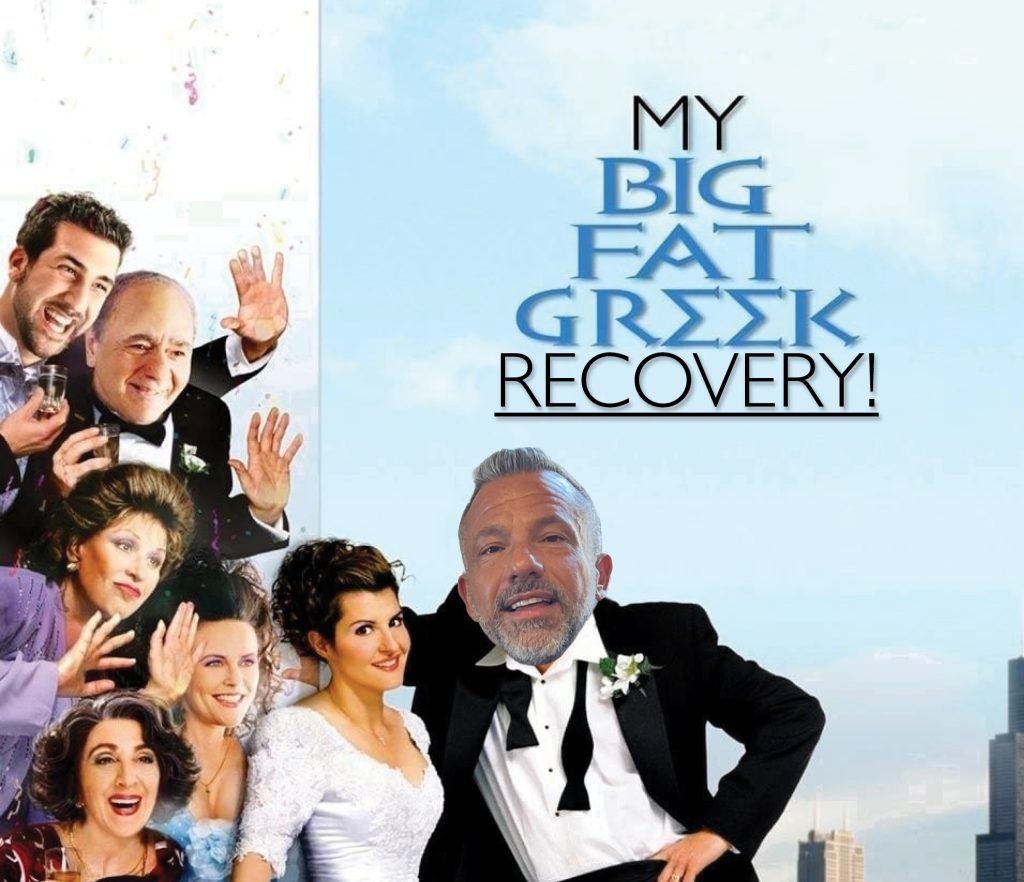
Christos Papanikas’ Big Fat Greek Recovery!


Christos Papanikas’ Big Fat Greek Recovery!

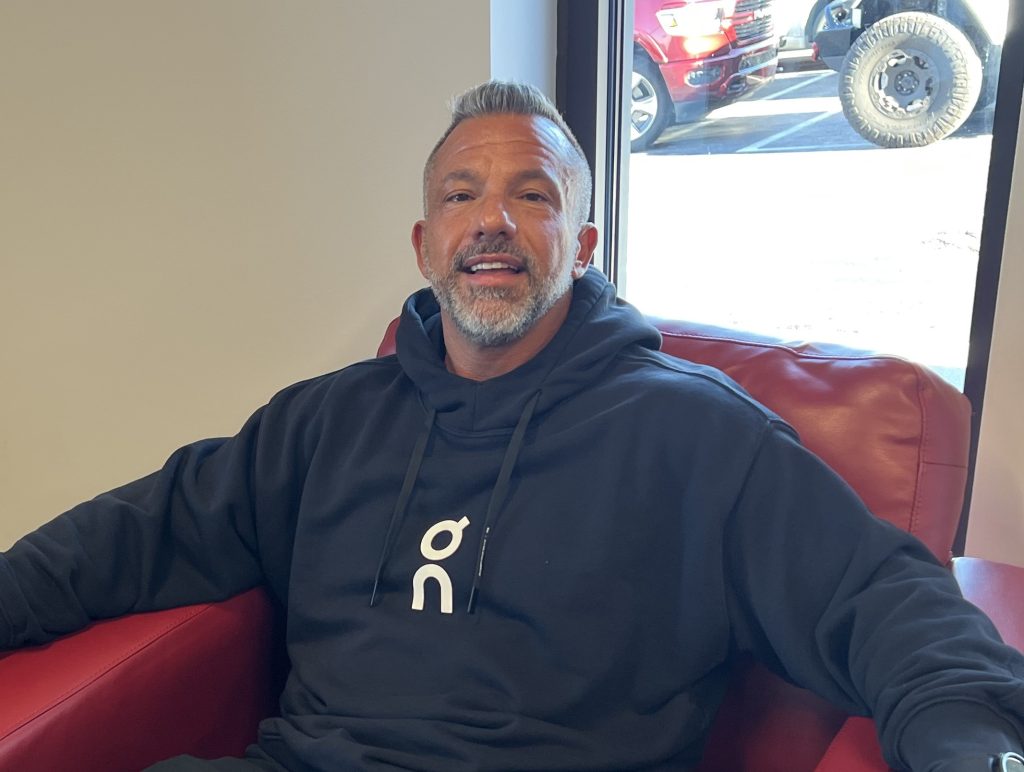
Christos Papanikas is a beloved figure at CORE, known not just for his incredible cooking but also for the example he sets in recovery. His culinary skills run in the family—he spent years working in the Mediterranean-Greek restaurants his family owned along the Atlantic Seaboard. But by 2015, his life had unraveled. At rock bottom, he took his brother’s advice and came to CORE, determined to rebuild himself no matter what it took.

What followed was nothing short of extraordinary. When Christos arrived, he was a broken man carrying all his worldly possessions in a brown paper bag. Today, he’s a leader and mentor, inspiring everyone around him. He shares his time and expertise both in the kitchen and as a respected house manager. Over the years, he has trained many others, helping them find their footing in recovery while strengthening his own.

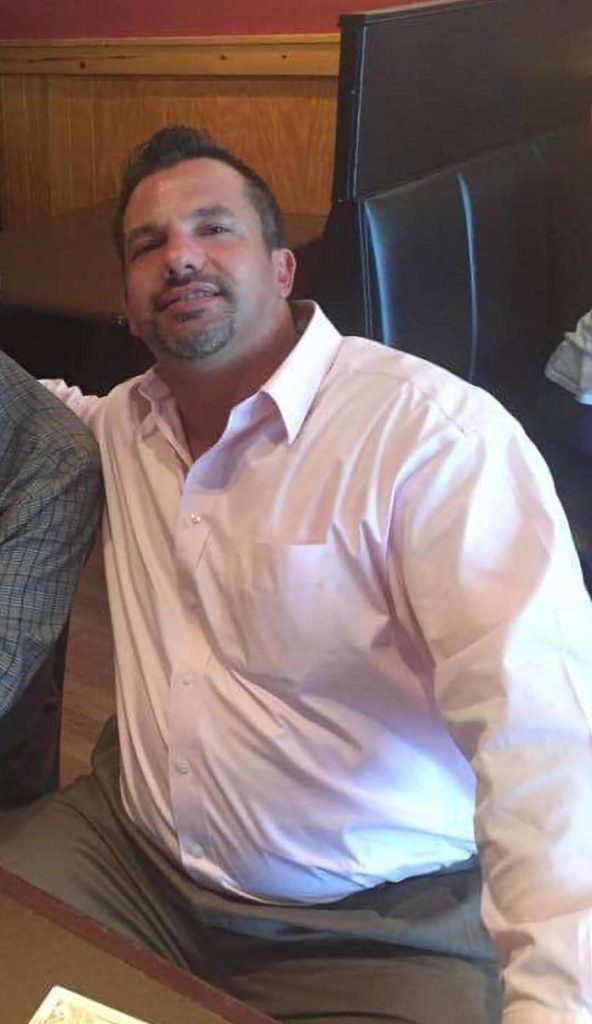
His transformation didn’t stop at sobriety—it extended to every area of his life. When he first came to CORE, he carried more weight than was healthy, both physically and emotionally. Now, he’s the picture of health. His dedication to fitness has become a personal ministry, as he mentors others at the gym and encourages clients to pursue wellness as part of their recovery.

Financially, he has made great strides as well. From starting over with nothing, Christos now has excellent credit and is building a new home—a milestone that will soon take him out of CORE housing. But his connection to the community remains strong. “It’s sad. And exciting. But I’m not saying goodbye,” he says of the move. “I’m just living somewhere else. I’ll still be part of the CORE community.”

Looking at Christos today, you’d never guess the hardships he endured. He admits that newcomers often say, “You don’t look like a drug addict.” But Christos knows all too well the depths of addiction. For years, he ran from his problems, leaving the family businesses behind in search of a fresh start. No matter where he went, though, he was powerless over his addiction. He lost executive chef positions, had scrapes with the law, and watched his relationships fall apart. “I made a mess of everything I touched,” he says.

Eventually, he arrived in Branson, where his family had opened another restaurant. But addiction followed him. He lost his apartment, then his car, which held everything he owned. He was dependent on heroin, meth, and OxyContin just to function. Living in weekly rentals, running with the wrong crowd, and enduring robberies and beatings, his life spiraled downward. Then the law caught up with him, the judge sentenced him to jail.  There he hit a milestone: his 40th birthday.

Spending your birthday locked up with a bunch of guys isn’t ideal,” Christos says with a wry smile. But it left an impression. He vowed, “I’ll never use again.”

His family, ever supportive, never gave up on him. Though they didn’t fully understand his substance abuse, they believed in him. One of his brothers recommended CORE and even sponsored his first weeks there. When Christos arrived, he had nothing—not even his own clothes. “My brother sent me a care package and a pair of tennis shoes,” he recalls. “I had deodorant, a toothbrush, toothpaste, and a couple of bucks in my pocket. Half of that wasn’t even mine.”

Poor in possessions but rich in determination, Christos dove into the 12 Steps. “I knew what the Steps were because I’d been to programs before,” he says. “But this time, I actually worked them. My house manager, Jay Ham, helped me. I did my 5th Step with him.”

Surprisingly, Christos can’t recall a single moment in early recovery when he felt like using again. What he does remember are the vivid dreams— “giant syringes and giant pills chasing me”—and the relief of waking up to find they weren’t real.

Christos credits God for his recovery. While he isn’t in the front pew with his hands raised during church services, he says, “I do all the things you’re supposed to do if you’re a true Christian.” Once a foxhole believer who only prayed in times of crisis, today he prays every morning and every night.

A major turning point for Christos was learning to serve others. For him, that meant returning to his culinary roots. “I just adapted to being here. I got into the fellowship with the guys. I started cooking for Jay and then shared it with everyone. That’s all I did—cook every day. And eat!”

His talent didn’t go unnoticed. CORE staff invited him to help on the grill for outdoor commencement celebrations, and Christos said yes. That was eight years ago. Since then, he’s become the go-to chef for special events, from graduation barbecues to crafting elegant dishes for our annual fundraising and donor appreciation events.

There was one bump in his early recovery—his weight. Already at 245 pounds when he arrived at CORE, all the fellowshipping, cooking, and eating only added to his waistline. During a family visit, Christos remembers being “twice the size of my dad” and “not even looking like me.” His wake-up call came when he had to take a break while tying his shoes. “I told myself, if I’m going to do this right, I have to do all of it. I’m going to get in shape.” Since then, he has been a gym regular, and his striking before-and-after photos tell the whole story.

Upon commencing, Christos took over as house manager of Condor House, our largest residential facility, and excelled. Over the years, countless men have completed CORE’s one-year program under his leadership, with several becoming house managers themselves. His philosophy has remained the same: “The results are good when you have 10 guys cooking, eating, and hanging out together.”

Always a hard worker, Christos also began securing his financial future. He developed a disciplined approach to money, allowing him to build savings and establish excellent credit. Today, he’s in the process of building a new home. Most importantly, his commitment to financial discipline now gives him the freedom to travel to Greece, where his parents retired.  

Reflecting on his journey, Christos says, “CORE guided my recovery. It gave me the space, the opportunity, and the people I needed to embrace recovery. I’ve grown into the person I am today—someone who can help others. The people here have become like family.”

And family, for Christos Papanikas, is at the heart of everything. We at CORE are grateful and proud to be a part of it!