
Cody Walker: Breaking the Cycle
When we sat down to talk with Cody Walker about his life in addiction and recovery, what struck us most was his determination to end his family’s long history of substance abuse. Several times during our conversation, Cody said firmly, “I’m going to break this cycle for good.” He has seen firsthand what addiction can do—the deaths of relatives, the chaos of a childhood surrounded by drugs and alcohol, and the heartbreak of losing his own children to DFS. Yet today, Cody has the fruits to show that he is keeping his commitment. A man of faith, he has recovered and now helps others do the same. He has restored meaningful connections with his children and built a stable career he is proud of.
Cody grew up in North County St. Louis, surrounded by alcoholism and addiction. Drugs and alcohol at home made money tight and housing unstable. Cody remembers stretches living in Motel 6s and Super 8s, missing a year of school, and bouncing through local districts. In a family where substance use was commonplace, chaos felt ordinary. “I thought my childhood was normal,” he says.
He first drank at thirteen, sneaking a bottle of champagne and liking the feeling it gave him. By fifteen, he was smoking marijuana on weekends, and, as he puts it, “By the time I graduated high school, I was already an addict.” His drug use escalated, first to ecstasy, then cocaine, and finally methamphetamines, which became his drug of choice. “I told myself I’m just going to do it on weekends,” he recalls, “until it became a through-the-week thing, and then I’m waking up and needing it.” Throughout his twenties, he was perpetually high and couldn’t understand how anyone could go through a day “normal.” He still held jobs—painting, construction, warehouse work—but his life revolved around the next drink or drug.
What began with a stolen bottle of champagne became the framework of his daily existence. There were fights, county jail time, and even gunplay. Cody was powerless, like so many in his family. “It really had a grip on us,” he says. “Uncles and aunts passing away. An aunt overdosing on my uncle’s front porch while he was dying. My family knows loss because of addiction. It was a big family there for a while, but most of them are gone.”
At twenty-nine, Cody experienced the one truly good thing to ever happen to him: he became a father. “All I ever wanted was to be a dad,” he says. “That’s all I ever wanted. Finally, God gave me the opportunity.” Two years later, another son was born. His desire to be a good father was strong, but not as strong as meth. While he made sure his boys were always provided for, he couldn’t get clean no matter how hard he tried.
Everything came to a breaking point in November 2020, when his three-year-old son slipped out of the house barefoot and shirtless on a cold day. The DFS arrived, and within minutes, both boys were gone. For a man who had always dreamed of being a father, it was devastation. Addiction had stolen plenty before—his jobs, his dignity, and his peace of mind—but this was different. “I lost my whole family in forty-five minutes,” Cody remembers, “everything I ever wanted.”
The year that followed was his darkest. Alone and drowning in guilt, Cody tried to end his life. That’s when his sisters stepped in. One took in his children, and the other sent him to rehab. At the time, Cody saw only enemies in the system, but that treatment center became his lifeline. It was there that he first heard about CORE, and soon after, he made his way to our Springfield program.
At first, Cody went through the motions by attending classes and completing outside parenting and intervention programs. But nothing deeper clicked. It took six months before he had what he called an “epiphany moment.” With the encouragement of mentors at CORE, Cody finally began studying the Big Book and working the Twelve Steps in earnest. For the first time, he wasn’t just existing in sobriety, he was building a new life within it. He told us how the words began “popping off the page” of the Big Book and giving him goosebumps. Recovery, he realized, was about more than staying clean. It was about transforming his entire relationship with life, God, and himself.
Cody spoke warmly about what CORE has done for him. In the beginning, he said, CORE gave him something he hadn’t had in years: a safe place to recover. The program gave him daily structure, accountability, and, most of all, people who cared enough to help him rebuild. It wasn’t just a roof and rules. He found CORE to be a place where he could breathe, slow down, and begin piecing his life together. He mentioned many by name: Neil Finley, Bracy Sams, Nick Zahm, Kim Stewart, and Alexandria Powell—all of whom, in one way or another, stepped up to help.
The love and care he received from CORE meant the world to Cody. He says he has always been the kind of person who, if someone shows him a little faith, he’ll give them everything in return. CORE gave him that chance, and he seized it. And once he began working the Twelve Steps in earnest, the Big Book’s promises became real.
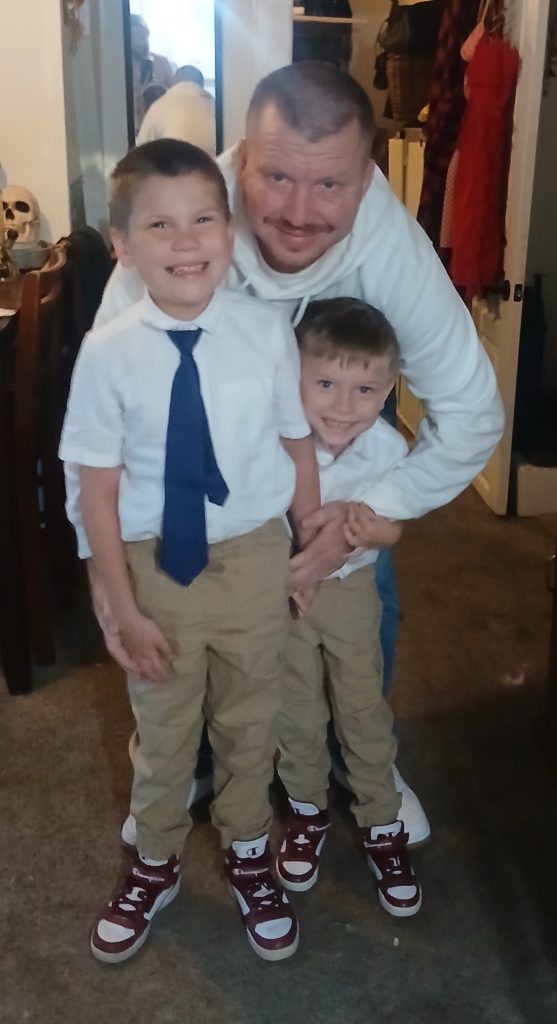
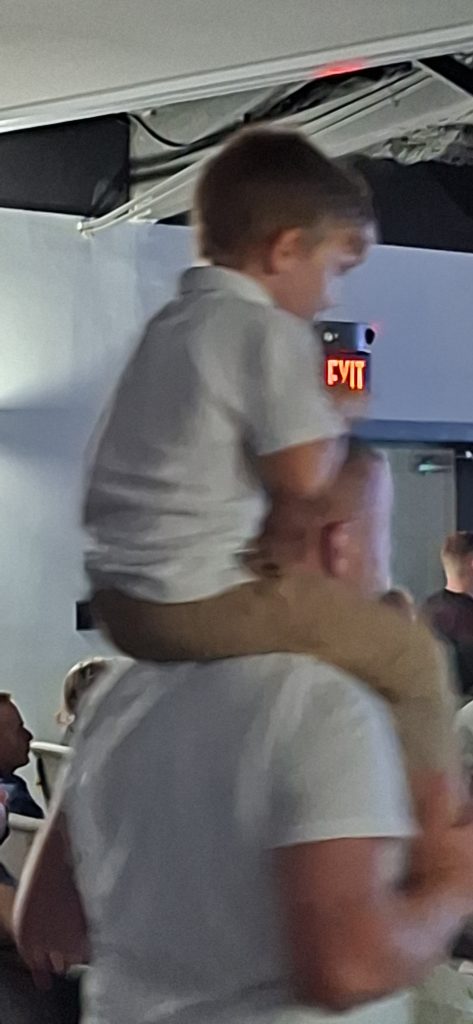
Today, Cody is reunited with his sons. When his sister first took them in, visits were supervised, doors were locked, and communication was limited. As he stayed sober and consistent, those walls came down. Cody has rebuilt trust and is once again a father in every sense of the word. They now attend CORE Church together each week, and his youngest often rides on his dad’s shoulders during the song service.
As he progressed in recovery, Cody’s gratitude naturally turned outward. He began volunteering as a driver for the program, later becoming a house manager. He doesn’t call himself a leader in the traditional sense; he prefers walking alongside the men in his house, showing by example. “The most important thing about being a house manager,” he says, “is meeting the clients one-on-one, helping them begin their steps, and guiding them closer to God. Their relationship with God is everything. It’s got to be personal.”
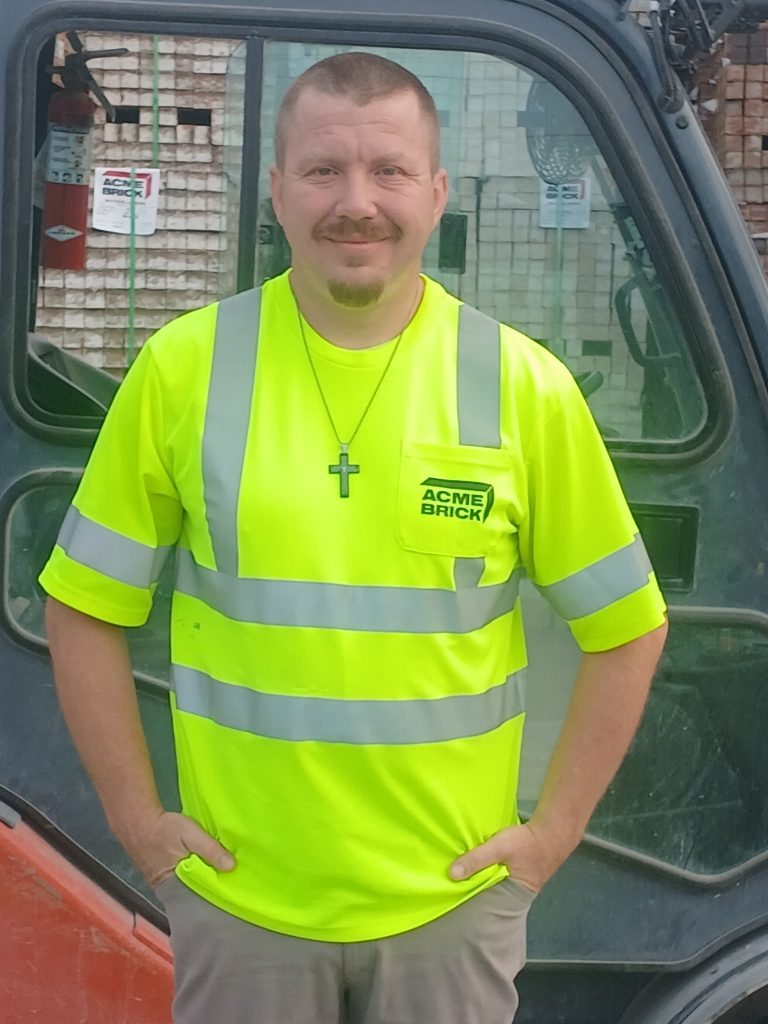
Cody’s work life soon began to mirror his growth in recovery. What was supposed to be a short-term warehouse job at Acme Brick has become a full-fledged career. He learned the trade, moved into the yard, and eventually became yard manager. Cody says that becoming a steady provider and respected role model at work feels like redemption, for which he is grateful.
Spiritually, his understanding of God has transformed, too. He no longer demands miracles and blames God for loss, but rather sees God as the guide who points the way. “God is here to direct the boat, to give direction, and my job is to row,” he explains. He embraces Romans 12:12: “Be joyful in hope, patient in affliction, faithful in prayer,” as a motto for his recovery. With the obsession to use now gone, he feels only gratitude for the silver linings, even viewing the loss of his boys as the turning point that saved his life.
Looking to his future, Cody plans to one day buy a home in Springfield where his boys can grow up in the safe, stable environment he never had as a child. Until then, he is content mentoring newcomers and watching others rebuild their lives just as he has. “I get to be part of somebody’s life being changed at CORE,” he says.
We at CORE are very proud of Cody and his recovery progress. He is living proof that the cycle can be broken! Through faith, perseverance, and the support of our recovery community in Springfield, he has turned tragedy into hope, purpose, and meaning.