The Newcomer Who Wasn’t There


The Newcomer Who Wasn’t There

When a new client first walks through the doors of CORE, most believe they already know what their problem is: they drink or drug too much. Fix that, they figure, and everything else will fall into place. It sounds simple enough. We’ve heard countless newcomers say it almost word for word: “If I just stop using, I’ll be fine.” Their families often think the same thing.

Happily, many of these individuals do recover. They come to understand their disease—its symptoms, causes, and conditions—and they learn how to overcome it. They stay at CORE until the time is right to move on. Applying what they have learned, they go on to live productive, purposeful lives. They give back, help others, and often become civic-minded members of their communities.

But others take a different path. They pledge abstinence, swearing off the bottle or the pills, believing that if they can just stay sober, the cure will be complete. They attend classes, find jobs, and notice they are avoiding substances. With each day going according to plan, their confidence grows. Yet with that confidence comes something else: a quiet conviction that they no longer need the structure or accountability of a recovery program. The classes start to feel stale. Even the program, which they never truly began in the first place, starts to feel unnecessary.

After all, they tell themselves, they are working and earning money. They are paying bills, showing up, and doing what other adults do. Who has time for someone looking over their shoulder under those circumstances? They have learned their lesson, they say. They will not make that mistake again. Some convince themselves that if they do drink or use again, they will certainly know when to stop. So they leave, despite all advice to the contrary.

What happens next is predictable.  And never good. Around CORE, we do not need a full hand to count the success stories that begin this way. It’s never positive. Never. Not ever. And sometimes, it’s tragic.

The newcomer who arrives convinced that their only problem is drinking or drugging is vexing for several reasons, not least because they often seem like friendly, well-intentioned people. But something is plainly missing.  There is a disconnect between their expectations and the true gravity of their illness. The usual spark of awareness, the willingness to go deeper and address their real problem, seems totally absent. It is almost as if the person wasn’t there. The wherewithal necessary to tackle the reasons for their substance use is nowhere to be found.

By itself, abstinence without more turns out to be an empty promise. The Twelve Steps are not a program by which we finally attain abstinence. They are a plan for living happy, joyous, and free of drugs and alcohol now that we’re abstinent. It’s an important difference. In other words, quitting doesn’t make us recovered; it’s having recovered that makes certain we’ve quit.

Viewing abstinence as recovery is like judging the act of waking up in the morning as having had a successful day. Our substance use happened because we were unable to live life on life’s terms. Quit or not, the world isn’t going to change for us, and there is no way around this. Sooner or later, every addict and alcoholic who would recover has to change themselves. They have to alter the way they view and relate to themselves, others, and the world around them.

Importantly, our character defects inevitably step into the spotlight once we’ve quit. It turns out that our true malady is maladjustment to life itself, the inability to live at peace with ourselves and others. Without working the Twelve Step program and incorporating its lessons into our daily existence, the selfish, self-centered person we have always been will become glaringly obvious. The perfect life we imagined would follow abstinence won’t be found anywhere.

So we begin clashing with people. We start doing nearly anything to get our own way. We chase love or sex without regard for the damage it causes. We bend the truth in business or relationships if it suits our purposes. We make half-hearted attempts to justify the wreckage we cause, or we ignore it. At the core, our lives are still being run by the same self-will that fueled our addictions in the first place.

And it is not just the big-ticket items of our day that get poisoned. When we are running self-centered, the turmoil never stops. When our contentment depends on getting what we want, when we want it, every minute of the day becomes another opportunity for disappointment and agitation. Someone empties the coffee pot before we get to it – resentment. A meeting runs long – frustration. A supervisor points out a mistake – fear and dishonesty rise up as we rush to defend ourselves. A family member or friend interrupts our comfortable evening at home – inconsideration flares.

Little things pile up, and before long our negative attitude is dragging us through the mud yet again. By bedtime, we are restless, irritable, and discontent, even though we stayed “sober.” Our sobriety at that point may not feel any better than active addiction. It may even feel worse, but either way, at this point it’s pick your poison. Deep down, we may know the terrible things that could happen – will happen – if we use again, but we lie to ourselves, make excuses, and eventually justify falling off the wagon. When the inevitable consequences arrive, we shrug and say, “What difference does it make? Everything’s a mess anyway.”

The hard truth is that addicts and alcoholics are not just nothing while running in our addictions; we are also nothing in our abstinence unless something deeper changes within us.

The Big Book captures this dilemma with piercing clarity. On page 61, it sketches several characters: a retired businessman who sits in the Florida sunshine griping about the sad state of the nation; a minister who sighs over the sins of the century; politicians and reformers convinced that utopia is just around the corner if everyone else would only behave; and even an outlaw safecracker who blames society for his downfall.

What do these people have in common? They are locked into their own narrow, self-centered point of view, believing that the world and everyone else is the problem, and that everyone else must change for them to be at peace.

Here’s the rub: this will never, ever happen. If we’re going to find peace, someone obviously has to change, but it won’t be everybody else. And the Big Book gets down to brass tacks and logically drives this point home:

Selfishness—self-centeredness. That, we think, is the root of our troubles.”

And this is our malady, it turns out. Not the bottle, not the needle, but our self-centered lives. The upshot is that unless the abstinent newcomer changes his relationship with others and the world around him, he is doomed to frustration, misery, and an eventual return to substance use.

The necessary change happens by working the Twelve Step program of recovery, which produces a dramatic change in our attitude and outlook on life!

Imagine going through an entire day, only this time with a completely different, genuine spirit of consideration toward others. Instead of snapping, “Can’t I just get a break?” when interrupted at home, what if we pause to appreciate our family member or friend and engage them with warmth? Instead of creating disappointment and distance, we would be building closeness and joy.

Or consider the meeting that runs long. Instead of reacting with frustration, what if we responded with patience and sympathetic understanding, helping to resolve the issue? Our value in the workplace might rise, not fall, and our relationships with coworkers may even deepen.

Even something as small as an empty coffee pot could look different. Instead of muttering resentfully, what if we made another pot, with the quiet thought of helping someone else start their day a little easier?

These are not big, dramatic gestures. They are little things. But when these and countless other moments are strung together over the course of a day, they amount to everything. When the minutes of our lives are filled with self-centered reactions, the whole of life becomes sour. If we orient these same minutes toward others and doing God’s will, the whole becomes peaceful, connected, and very much worthwhile.

That’s the real miracle of recovery. The Twelve Steps lead us on a journey of self-discovery and self-surrender. They ask us to admit what we have been, to face what we are, to make amends for what we have done, and to pursue daily the guidance of our better angels. Through this process, we don’t just quit drinking or using. We not only become new people, but so does the world – in our eyes.

So the next time a newcomer says all they need to do is quit, we may smile “at such a sally,” as the Big Book describes, but we also need to convey the truth. Quitting is a great beginning, but it’s just the start, and hopefully one of many real and positive changes in their life.  The real journey is not removing substances from life. It’s about discovering the person apart from drugs and alcohol who, with God’s help, they’re meant to be.

Cody Walker: Breaking the Cycle


Cody Walker: Breaking the Cycle

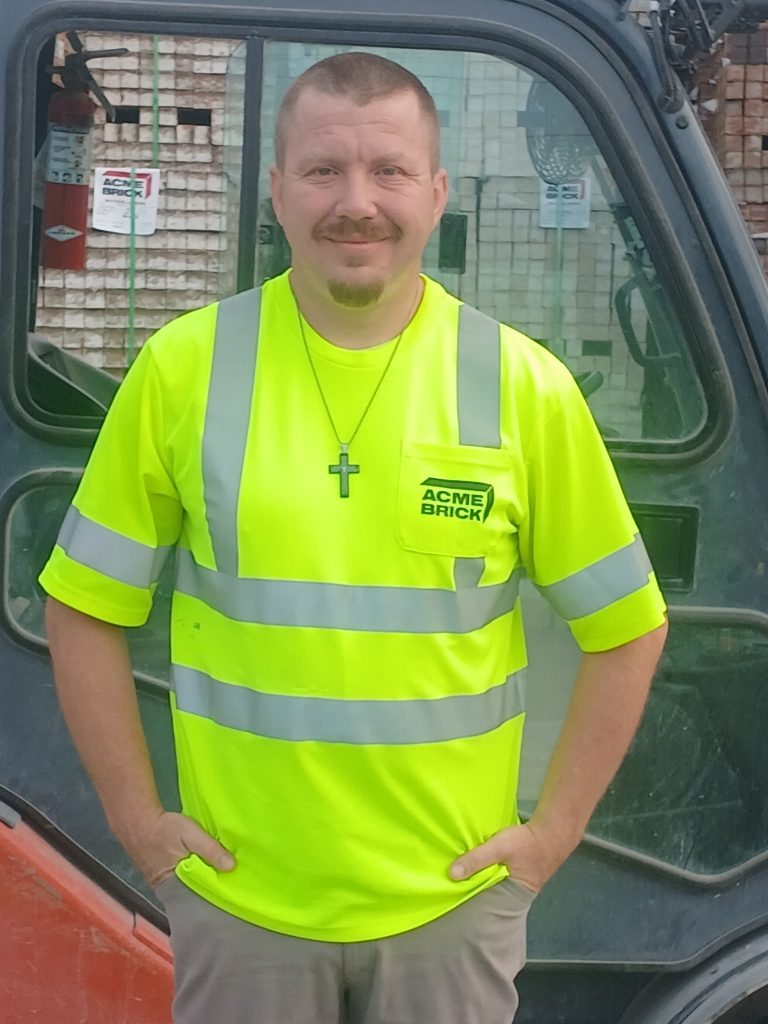
When we sat down to talk with Cody Walker about his life in addiction and recovery, what struck us most was his determination to end his family’s long history of substance abuse. Several times during our conversation, Cody said firmly, “I’m going to break this cycle for good.” He has seen firsthand what addiction can do—the deaths of relatives, the chaos of a childhood surrounded by drugs and alcohol, and the heartbreak of losing his own children to DFS. Yet today, Cody has the fruits to show that he is keeping his commitment. A man of faith, he has recovered and now helps others do the same. He has restored meaningful connections with his children and built a stable career he is proud of.

Cody grew up in North County St. Louis, surrounded by alcoholism and addiction. Drugs and alcohol at home made money tight and housing unstable. Cody remembers stretches living in Motel 6s and Super 8s, missing a year of school, and bouncing through local districts. In a family where substance use was commonplace, chaos felt ordinary. “I thought my childhood was normal,” he says.

He first drank at thirteen, sneaking a bottle of champagne and liking the feeling it gave him. By fifteen, he was smoking marijuana on weekends, and, as he puts it, “By the time I graduated high school, I was already an addict.” His drug use escalated, first to ecstasy, then cocaine, and finally methamphetamines, which became his drug of choice. “I told myself I’m just going to do it on weekends,” he recalls, “until it became a through-the-week thing, and then I’m waking up and needing it.” Throughout his twenties, he was perpetually high and couldn’t understand how anyone could go through a day “normal.” He still held jobs—painting, construction, warehouse work—but his life revolved around the next drink or drug.

What began with a stolen bottle of champagne became the framework of his daily existence. There were fights, county jail time, and even gunplay. Cody was powerless, like so many in his family. “It really had a grip on us,” he says. “Uncles and aunts passing away. An aunt overdosing on my uncle’s front porch while he was dying. My family knows loss because of addiction. It was a big family there for a while, but most of them are gone.”

At twenty-nine, Cody experienced the one truly good thing to ever happen to him: he became a father. “All I ever wanted was to be a dad,” he says. “That’s all I ever wanted. Finally, God gave me the opportunity.” Two years later, another son was born. His desire to be a good father was strong, but not as strong as meth. While he made sure his boys were always provided for, he couldn’t get clean no matter how hard he tried.

Everything came to a breaking point in November 2020, when his three-year-old son slipped out of the house barefoot and shirtless on a cold day. The DFS arrived, and within minutes, both boys were gone. For a man who had always dreamed of being a father, it was devastation. Addiction had stolen plenty before—his jobs, his dignity, and his peace of mind—but this was different. “I lost my whole family in forty-five minutes,” Cody remembers, “everything I ever wanted.”

The year that followed was his darkest. Alone and drowning in guilt, Cody tried to end his life. That’s when his sisters stepped in. One took in his children, and the other sent him to rehab. At the time, Cody saw only enemies in the system, but that treatment center became his lifeline. It was there that he first heard about CORE, and soon after, he made his way to our Springfield program.

At first, Cody went through the motions by attending classes and completing outside parenting and intervention programs.  But nothing deeper clicked. It took six months before he had what he called an “epiphany moment.” With the encouragement of mentors at CORE, Cody finally began studying the Big Book and working the Twelve Steps in earnest. For the first time, he wasn’t just existing in sobriety, he was building a new life within it. He told us how the words began “popping off the page” of the Big Book and giving him goosebumps. Recovery, he realized, was about more than staying clean. It was about transforming his entire relationship with life, God, and himself.

Cody spoke warmly about what CORE has done for him. In the beginning, he said, CORE gave him something he hadn’t had in years: a safe place to recover. The program gave him daily structure, accountability, and, most of all, people who cared enough to help him rebuild. It wasn’t just a roof and rules. He found CORE to be a place where he could breathe, slow down, and begin piecing his life together. He mentioned many by name: Neil Finley, Bracy Sams, Nick Zahm, Kim Stewart, and Alexandria Powell—all of whom, in one way or another, stepped up to help.

The love and care he received from CORE meant the world to Cody. He says he has always been the kind of person who, if someone shows him a little faith, he’ll give them everything in return. CORE gave him that chance, and he seized it. And once he began working the Twelve Steps in earnest, the Big Book’s promises became real.

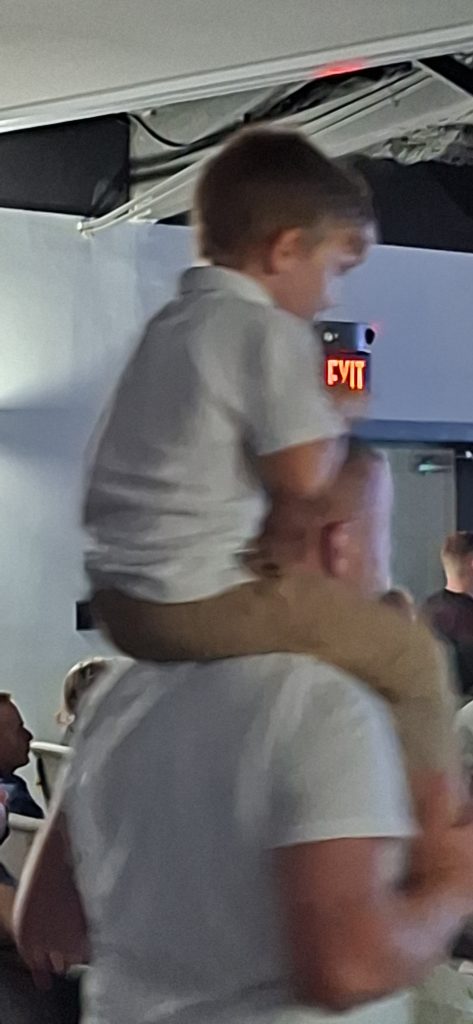
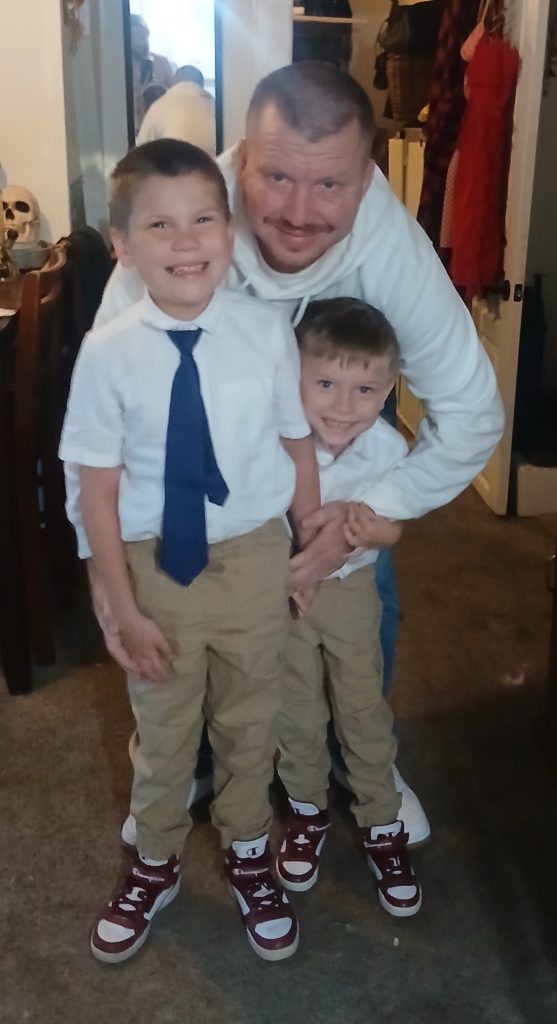
Today, Cody is reunited with his sons. When his sister first took them in, visits were supervised, doors were locked, and communication was limited. As he stayed sober and consistent, those walls came down. Cody has rebuilt trust and is once again a father in every sense of the word. They now attend CORE Church together each week, and his youngest often rides on his dad’s shoulders during the song service.

As he progressed in recovery, Cody’s gratitude naturally turned outward. He began volunteering as a driver for the program, later becoming a house manager. He doesn’t call himself a leader in the traditional sense; he prefers walking alongside the men in his house, showing by example. “The most important thing about being a house manager,” he says, “is meeting the clients one-on-one, helping them begin their steps, and guiding them closer to God. Their relationship with God is everything. It’s got to be personal.”

Cody’s work life soon began to mirror his growth in recovery. What was supposed to be a short-term warehouse job at Acme Brick has become a full-fledged career. He learned the trade, moved into the yard, and eventually became yard manager. Cody says that becoming a steady provider and respected role model at work feels like redemption, for which he is grateful.

Spiritually, his understanding of God has transformed, too. He no longer demands miracles and blames God for loss, but rather sees God as the guide who points the way. “God is here to direct the boat, to give direction, and my job is to row,” he explains. He embraces Romans 12:12: “Be joyful in hope, patient in affliction, faithful in prayer,” as a motto for his recovery. With the obsession to use now gone, he feels only gratitude for the silver linings, even viewing the loss of his boys as the turning point that saved his life.

Looking to his future, Cody plans to one day buy a home in Springfield where his boys can grow up in the safe, stable environment he never had as a child. Until then, he is content mentoring newcomers and watching others rebuild their lives just as he has. “I get to be part of somebody’s life being changed at CORE,” he says.

We at CORE are very proud of Cody and his recovery progress. He is living proof that the cycle can be broken! Through faith, perseverance, and the support of our recovery community in Springfield, he has turned tragedy into hope, purpose, and meaning.

From Chaos to Craft: Brandon Pitman’s Road to Recovery

From Chaos to Craft: Brandon Pitman’s Road to Recovery

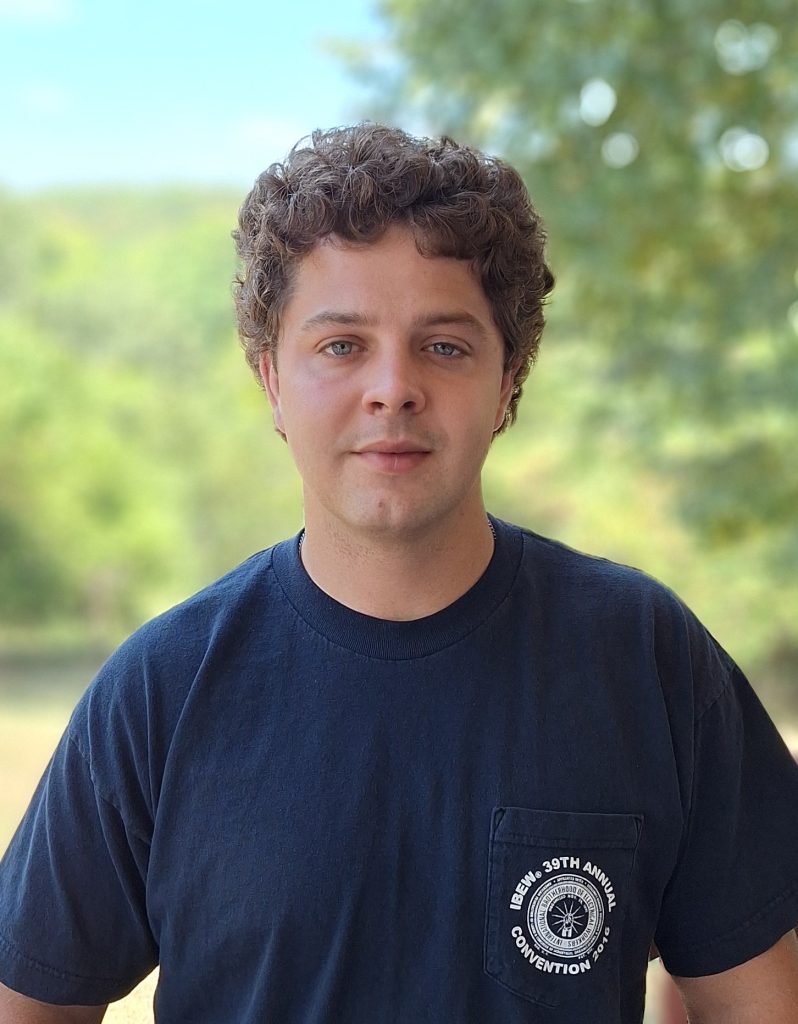
When we sat down with Brandon Pitman last month to hear his personal story, there was a particular moment that put his remarkable recovery transformation into perspective.

Brandon was reflecting on how much he’s changed for the better in recovery, and in the same breath he mentioned his girlfriend Regina, whom he openly admires and respects. He said:

I’m a different person today. My girlfriend would never tolerate the person I was five years ago. A completely different person. I’m glad – I really am.”

For context, Regina isn’t part of the recovery world. She’s a “normie” from a strong family with a solid career at a local hospital. Brandon knows the man he used to be would have driven her away immediately. In that unguarded moment, he expressed a special kind of gratitude for his spiritual experience working the 12 Steps, because today he is capable of building and keeping a healthy, loving relationship with someone he truly admires.

Recovery has brought Brandon many blessings. He’s free from the obsession to drink or use. He teaches 12 Step recovery classes locally and sponsors others to help them find what he’s found. He has also built a solid career as an HVAC technician, earning multiple EPA and industry certifications. At 25, he is living as a resident member of CORE’s recovery community, building the kind of life he always dreamed about but never had in his youth.

Brandon grew up in Sullivan, Missouri, a small town where everyone knew your name and Friday nights were for football. Money wasn’t scarce, but stability was. Substance use ran on both sides of his family, and home life could turn violent. He tried marijuana at 13, but after an abusive incident with his father, “the rebellion started,” he recalls. Sneaking out, smoking, raiding the medicine cabinet, and experimenting with drugs became his escape from home.

School and sports quickly fell by the wayside. As his parents’ marriage dissolved, truancy letters piled up until they had him emancipated. By 17, he was couch-surfing, living in his car, and selling marijuana and pain pills to fund his habit. Hoping for a fresh start, he moved to Florida to live with his grandfather, an AA old-timer with decades of sobriety. Brandon attended meetings and found work in landscaping, but soon relapsed into IV opiate use with the help of an addicted relative and learned firsthand the misery of withdrawal.

For the next few years, he bounced between Florida and Missouri, working construction and factory jobs while drinking and using. “I tried the geographical cure three or four times,” he says. “It never worked, because wherever I went, I’d run into myself.” He survived two serious car crashes, one leaving him with a traumatic brain injury, yet he continued chasing the next high. By early 2019, he was living in the woods or in cars, awake for days on meth and hallucinating.

Eventually, he went to his family for help. They brought him to Valley Hope in Boonville for a 28-day stay, which he initially intended as just a “tolerance break.” But a presentation from a CORE graduate on the cycle of addiction changed his thinking. For the first time, he saw a path forward and agreed to enter CORE in May 2019.

Brandon’s first stay at CORE gave him structure and an introduction to the 12 Steps, but he admits he still wasn’t fully committed. A week before graduation, he left and quickly spiraled. In early 2021, at his lowest point, he found himself in his mother’s garage, hallucinating, and shouting at God to either help him or take his life. Just hours later, a recovery friend called and encouraged him to get back into a program.

This time, he entered another sober living program and, guided by a strong sponsor, began working the Steps. He completed a searching Fourth Step, made amends, and found purpose in helping others. Believing he had experienced a spiritual awakening and was ready to move on, he rented a studio apartment.  Unfortunately, he promptly lost touch with his recovery community, stopped going to meetings, and became isolated. “I got unplugged,” he says. A joint with a family member led to another spree. After legal trouble and a 60-day treatment in Florida, his probation officer gave him a choice: prison or CORE.

Brandon chose CORE, returning on November 7, 2023. This time he reworked the Twelve Steps from the beginning. “Being older and more mature through the experiences I’ve had, I know I can’t be the guy who smokes one joint and still be fine,” he says. “My experience, confirmed by the truth in the Big Book, leaves me absolutely certain that I need to be here.” In time, he was helping others again, staying connected through Big Book study, CORE’s 4D recovery classes, and daily structure. He credits CORE’s staff and community for keeping him grounded and moving forward.

Ultimately, Brandon credits God for his recovery. “On the basis of self-knowledge, it’s not enough to stay sober,” he says. “I had to believe that a Power greater than myself would restore me to sanity in the area of the first drink.” When he first came to CORE, he was agnostic and wanted nothing to do with God. Now, he is a Christian. “I believe Jesus died on the cross for my sins. I know I’m a sinner in need of a savior.” Brandon also observed, “Cultivating my relationship with God saved me from being the angry young man I used to be. It saved me from myself.”

An important breakthrough came when an old friend and CORE graduate invited him to try HVAC work. He started while still waiting tables, but soon committed full-time. Under a veteran foreman, he learned wiring diagrams, brazing, installations, and maintenance. He studied his craft diligently, passed the demanding six-hour EPA Universal exam, and earned multiple certifications, including a gas certificate and A2L refrigerant training.

Today, Brandon is a full-time HVAC technician, a recovery class instructor, and a steady member of CORE’s Falcon House. For those serious about working the 12 Steps, he says it is an ideal place to grow, and he is always willing to sponsor anyone ready for real change. His advice is simple and direct: “Reach out and ask for help. When enough is finally enough, if you’re not dead and you don’t end up in prison, there are tons of people out here who will help.”

Brandon is also repairing relationships with family, several of whom are now pursuing sobriety themselves. And then there’s Regina, the relationship he clearly treasures but keeps private. “We’ve talked about the future,” he admits, but he’s not giving away any details. It’s a bit like when the whole world speculated about Travis and Tay Tay’s engagement. When the time came, they told us in their own way.

At just 25, Brandon is no longer surviving. He is living a life of purpose, building a career, nurturing a loving relationship, and helping others find freedom. He didn’t get here by luck. CORE provided the structure and community, God provided the power, and Brandon brought the willingness and effort. The result is the “normal” he has wanted all his life: a steady home, a career, a woman he loves, a mending family, and a life that is not just surviving, but quietly, solidly good. 

We at CORE are so very proud of Brandon and the life he’s building.  We wish him all the best in the future!

What Every Relapse Has in Common


What Every Relapse Has in Common

When people talk about relapse, they often mean very different things. Search online and you’ll see “relapse” applied to everything from using after twenty years sober to breaking a month(s)-long streak of abstinence. In reality, these are probably two very different situations, and only one of them may properly be called relapse.

We often hear the slogan “relapse is part of recovery,” but this is misleading. Relapse is the antithesis of recovery, and believing otherwise plays into the same dishonest thinking that fueled our addiction in the first place.

Most of what gets labeled relapse is really just the end of a dry spell; the person was never recovered to begin with. They may have stopped drinking or using for a while, but the obsession was never removed, and they were not living by the spiritual principles that make sobriety and its blessings possible.

Until true recovery happens, the addict is a sitting duck, simply waiting for some trivial circumstance to justify doing what they were already inclined to do. The list of excuses is endless: peer pressure, boredom, fatigue, an argument, skipping meals, a little extra money, a bad night’s sleep, nearly anything captured by the acronym HALT. To name a few. These are transient conditions, nothing more than paper-thin rationalizations.

Likewise, the newcomer who thinks that simply quitting drinking or drugging will solve all their problems is in for a rude awakening. In practice, quitting often makes life’s problems more poignantly visible, because alcohol and drugs were how we coped with a maladjusted life. Using was only a symptom of a deeper malady. Left unaddressed, that malady will inevitably drive us back to substance use.

The Big Book describes it this way:

The almost certain consequences that follow taking even a glass of beer do not crowd into the mind to deter us. If these thoughts occur, they are hazy and readily supplanted with the old threadbare idea that this time we shall handle ourselves like other people. There is a complete failure of the kind of defense that keeps one from putting his hand on a hot stove.”

Unless recovery has taken place, simply quitting creates a no-win scenario. When life is unbearable, there will always be some insane excuse or “threadbare idea” that seems plausible enough to justify the first drink or drug.

That’s why we have the Twelve Steps, clear-cut directions laid out in the Big Book for living a spiritually grounded life. They move us from maladjustment and self-will into a life with hope, purpose, and meaning. The Steps not only guide us into a happy and worthwhile existence, they also form our defense against the first drink or drug. This defense cannot come from another person; it is given by God when we maintain a fit spiritual condition, and maintaining that condition is never burdensome.

Understood properly, relapse can only happen to someone who has recovered. When such a person drinks or uses again, it is never because of a bad day, bad news, or an uncomfortable feeling. Those are surface conditions. The real reason for relapse is always the same: they have stopped following the clear-cut directions of the Twelve Step program, abandoned God-reliance, and returned to self-will.

The Big Book puts it plainly:

So our troubles, we think, are basically of our own making. They arise out of ourselves, and the alcoholic is an extreme example of self-will run riot…. Above everything, we alcoholics must be rid of this selfishness. We must, or it kills us. God makes that possible. …We had to have God’s help.”

When a recovered person shifts back into self-will, relapse has already begun in the heart and mind, whether or not they have picked up. The old friction with the world returns. Restlessness, irritability, and discontent begin running the show. In that condition, the obsession can descend suddenly and without warning, and their return to drinking or drugging is only a matter of time.

There are three high-risk circumstances under which a recovered person is most vulnerable to that shift from God-reliance to self-reliance. These are not the transient conditions of HALT; they are structural changes that can shake the foundation of recovery if not met with deliberate spiritual action to maintain reliance upon God.

The first involves events that substantially upend daily life, such as moving to a new city, changing careers, retiring, losing a loved one, or facing serious illness. In these moments, the person finds themselves in a liminal space, unaware of how much their recovery footing may have shifted. Recovery should never depend on people, places, or routines, but major life disruptions often reveal such hidden weaknesses. If old routines vanish and we do not consciously and actively follow the Big Book’s directions to maintain our spiritual health, we risk slipping into self-reliance and inevitable failure.

The second is a loss of connection to God and doing His will. This may follow spiritual disillusionment after tragedy or unanswered prayer, or it may come from stepping back from service roles or sponsorship without replacing them. Without entrusting ourselves to God’s care or keeping a clear purpose in serving others, the Steps begin to lose meaning. Even daily inventory can feel optional. If we cannot remember the last time we sincerely sought God’s will or directly helped another alcoholic or addict, trouble is already brewing.

The third is the illusion of self-sufficiency, believing that life can now be managed without relying on God. We think, “I have been sober for years. Surely I can do this on my own now.” Such thinking may follow a financial windfall, career success, public recognition, or simply a comfortable life. This is a true red flag moment, as is thinking that our recovery can slide from top priority to a backup plan, or that it is no longer essential. Once God and the Steps become insurance instead of our daily operating instructions, we are already heading for disaster.

While these circumstances do not cause relapse by themselves, they create the conditions where self-reliance can creep in and God-reliance can fade. If that shift is not corrected, we are running on our own power, and self-imposed abstinence never ends well!

Relapse is not random then. And it always has the same root cause: a shift from God-reliance to self-reliance. The conditions may take different forms, but they all share this in common: they distract us from daily spiritual living and dull our dependence on God.

As the Big Book says:

What we really have is a daily reprieve contingent on the maintenance of our spiritual condition. Every day is a day when we must carry the vision of God’s will into all of our activities. ‘How can I best serve Thee — Thy will (not mine) be done.’ These are thoughts which must go with us constantly.”

There is no such thing as “I’ve got this now.” We must guard our daily reliance on God as if our lives depend on it, because they do.

Toni Wiseman: Staying for the Miracle


Toni Wiseman: Staying for the Miracle

When you walk through the halls of CORE, it’s easy to be struck by the bright eyes and ready smiles of our clients. You see people who are engaged, hopeful, and often full of laughter. But it’s just as easy to forget the desperation that brought them here. Behind every smile is a story of addiction, broken relationships, lost opportunities, and—especially for many of our female clients—a history of deep trauma.

Some people arrive at CORE so wounded that it’s hard to imagine a way forward. And yet, time and again, we witness something remarkable. Surrounded by compassion, structure, and the unwavering support of a recovery community, these same individuals begin to heal, change, and grow. They remind us that no one is beyond hope when given the chance and the tools to rebuild their lives.

Toni Wiseman is one of these people.

We recently sat down with Toni to learn more about her remarkable recovery journey. What we heard was more shocking than surprising. Sadly, stories like hers are all too common among our clients. Even so, the strength and resilience it takes to overcome a background like Toni’s is truly inspiring. All of us at CORE are deeply proud of her and profoundly grateful for her recovery.

Toni was born into a home where religion played a central role. But when she was still young, her parents divorced. Her mother remarried – and her stepfather turned out to be a predator in the home. When Toni was just fourteen years old, he singled her out, perhaps because of her small size. Around that same time, he introduced her to drugs and alcohol, and she quickly became hooked.

This same man was both her abuser and her drug dealer. When Toni speaks about that time, she makes it clear the drugs didn’t numb the pain—they made it worse. “Drugs brought out the demons of shame and guilt,” she told us. “At first I felt hurt, and when I started the drugs, there was shame.”

She began acting out at school and at home. She was expelled in the eighth grade and never returned. For the next six years, she remained under her stepfather’s influence. During a time when most young people are discovering who they are, Toni was lost in a fog of trauma, confusion, and addiction.

Looking back, Toni says her formative years were “really messed up.”  The abuse and addiction froze her development, and she never experienced normal adolescence. Instead of hope, she lived with shame and fear. Toni grew up with a warped understanding of love, safety, and self-worth.

In her early twenties, Toni got married, hoping someone could rescue her from the pain. That marriage ended quickly, and she married again. Through it all, drugs and alcohol remained constant. “They were an issue,” she said. “They’d been an issue since I was fourteen.”

Toni tried to hold her abuser accountable, but the authorities were uninterested. The more she tried to speak up, the more push back she received. Her relationships with family and neighbors grew strained. She remembers wondering who would ever take her side. Looking back now, she sees her adult life as a long struggle to escape her past—without yet understanding what she truly needed to be free from.

When her second husband died, Toni drifted. She began couch surfing and was sometimes homeless. She continued using drugs, unable to stop and unwilling to let go of the pain. “Things got really bad,” she said. “I couldn’t go a day or a minute without some kind of substance. I was high all the time.”

Her life might have continued on that path, but then two things happened. First, her mother passed away. She too had struggled with addiction and was one of the few people who understood Toni’s pain. Second, a former CORE client saw her struggling. That former client told her about our program and, when Toni agreed to come, drove her here personally.

Toni’s first experience at CORE was short-lived. “I was here for a couple months, felt better, and wanted the people back home to see it.” But she wasn’t ready. She left too soon and relapsed. It happened again before she finally slowed down and took the suggestion of her peers to work the recovery program.

Several of our current house managers came alongside her. “I couldn’t have done it without them,” she notes, “working the 12 Steps, helping people, looking at my fears, and loving me until I could love myself.” She also learned to forgive. And when that happened, something amazing followed. “For the first time, I started living. Everything was new to me. I got a new career. I had people who rely on me, not only at my job but also at CORE.”

She says CORE helped her turn her life around. “It’s been everything to my recovery,” she said. “They opened the door and let me in when nobody else would. They believed in me, held me accountable. They saw something in me that I didn’t see in myself. And they pointed me toward God.”

Today, Toni no longer battles the obsession. She gives the credit to God:

I can trust Him today, and I can live life now, knowing that He wants good for me. I was a mess out there, in a spiritual war, although I didn’t understand that then. I wanted someone or something to save me, so I looked to drugs, to music, to men, to family, to the justice system. I stopped trying to figure it all out when I got to CORE and just looked for a relationship with God. His mercy and grace brought me through all that. I was looking to feel right inside of myself with all of those things, but I never got right within myself until I found God.”

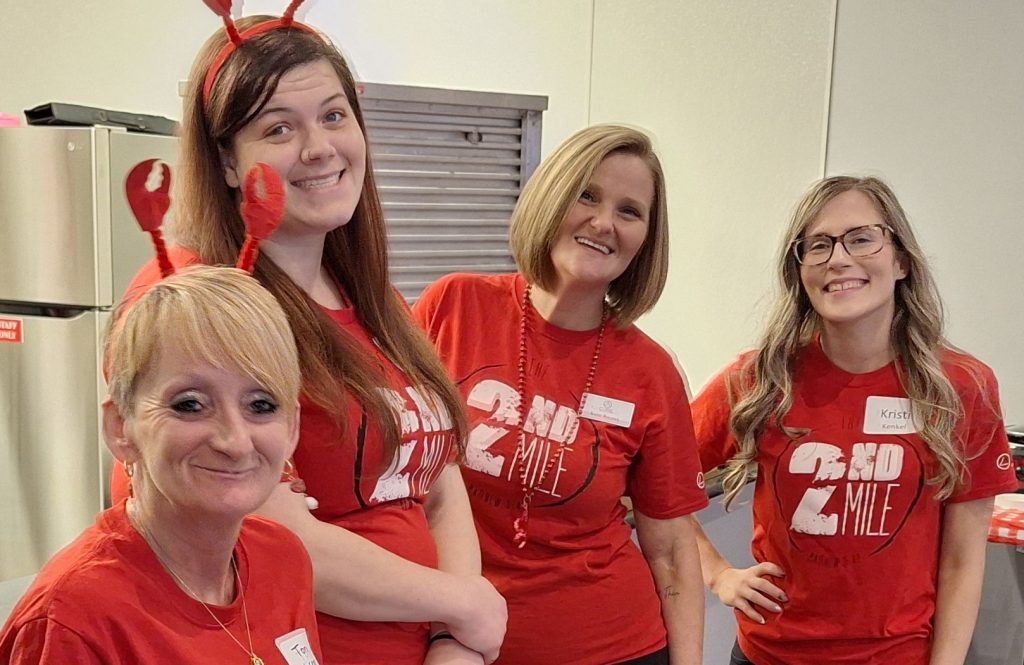
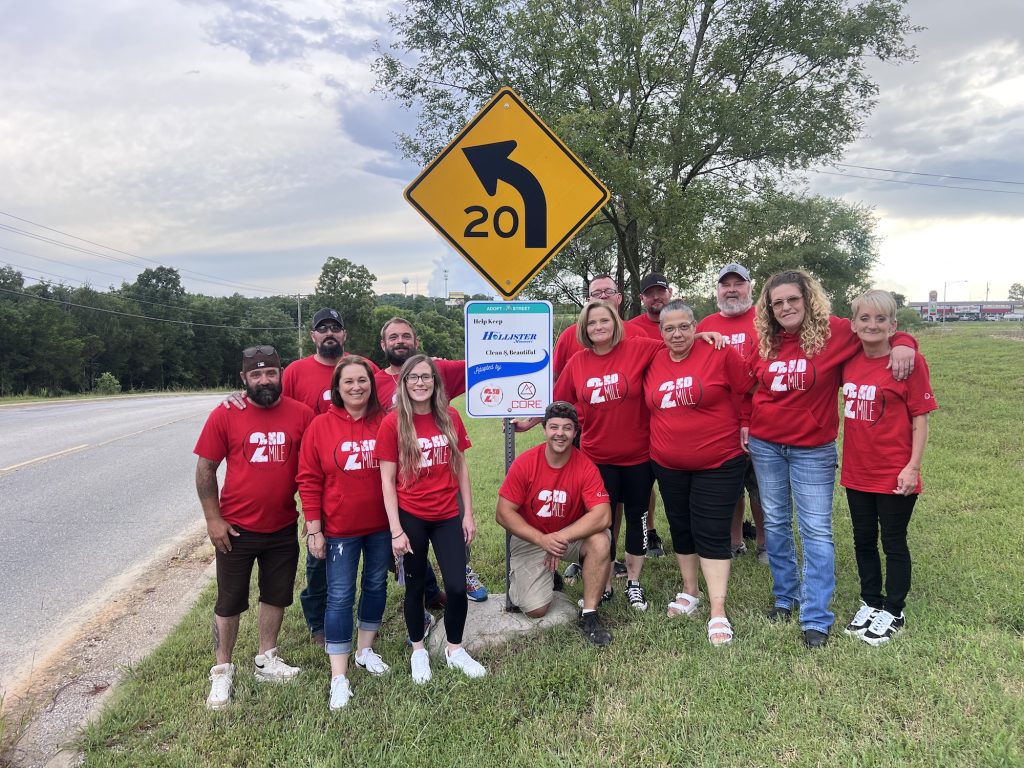
When Toni completed our one-year recovery program, she wasn’t done yet. At the suggestion of Program Manager Kevin Hunt, she applied to join the Second Mile group. “It was about giving back,” she says. “I felt like, in my second year, I should be giving back both to the community and to CORE. I wanted to share the message.” For those unfamiliar, the Second Mile is a group of recovered clients who give back by volunteering at charity events and CORE fundraisers. Recently, they adopted Birch Road in the City of Hollister, and they keep it spotless.

Toni also stepped up within her CORE house. She started as a chore coordinator and worked her way up to a leadership role. She sees her position as one of encouragement and hope. “I want to see them stay for the miracle and see what happens—that they love God and receive forgiveness in their hearts. That they realize God’s mercy and grace are bigger than anything we can imagine.” She finds satisfaction and purpose in serving the women around her.

Toni now has 20 months in recovery. Her next goal is to become a certified drug and alcohol counselor. When asked where she sees herself in five years, her answer is clear: “Being a counselor. A drug and alcohol counselor!

We’re so pleased for Toni and her progress. CORE will always be here to support her as she works to help others find serenity and hope in recovery.

Freed by the 12 Steps


Freed by the 12 Steps

Last month, we looked at hitting rock bottom. We saw that rock bottom entails an intense isolation where the addict feels completely cut off from any source of meaning, direction, or hope. This predicament is the logical outcome of using substances to escape a reality in which the addict feels increasingly unwelcome yet refuses to accept. But drinking and drugging only take one so far in avoidance. At rock bottom, the addict reaches the end of the line, where there is nowhere left to hide. He is staring alone into the abyss of oblivion and death.

These are not happy circumstances, and there is nothing that can sugarcoat the desperation and despair of this situation.

In contrast to the stark realities of hitting rock bottom, we said something else very plainly: there is a solution!

And not just any solution. The one offered and practiced at CORE puts the individual on the path to a new kind of life, one which is rich in meaning, grounded in truth, and filled with hope. We work the 12 Step program of recovery. Not only have we solved our substance use problem, but as the AA Big Book puts it, we have been “rocketed into a fourth dimension of existence of which we had not even dreamed.” More directly:

[W]e have had deep and effective spiritual experiences which have revolutionized our whole attitude toward life, toward our fellows and toward God’s universe.”

Today, we are able to live life on life’s terms. We are reconciled, having resolved past conflicts and found peace and acceptance with others and with our circumstances. We live in harmony with the world and the people in it. Each day, we wake up with gratitude in our hearts, because the blessings of recovery are truly immense.

Among these blessings is a pervasive sense of freedom. This may not be what someone expects when they first come to CORE and begin working the Steps. But recovery holds many wonderful surprises. The depth and breadth of this freedom may be the clearest evidence that something miraculous is taking place.

First, recovery gives us freedom from obsession. The crushing mental loop that once told us we needed to drink or use in order to survive is gone. Not suppressed. Not fought into submission. Gone. We did not talk ourselves out of it or overpower it with logic. It was simply lifted. This, as much as anything, is why we in Twelve Step fellowships speak of miracles. We wake up each day free from the compulsion that once ruled our lives. We can go anywhere and be around anyone without fear. Triggers no longer exist. We no longer have to scheme, hide, or run. This freedom becomes the foundation for everything else. As our thinking clears, we begin to explore new ideas about who we are and where we belong in the world.

We have also been given the freedom to live with a clean slate. This does not mean we have forgotten the past or avoided its consequences. It means we are no longer stuck in it, no longer living in shame. We have taken responsibility, made amends where we could, and told the truth about ourselves. Rather than ruining us, honesty has set us free. The past is no longer a source of fear or secrecy. It has been placed in its proper context, and we are no longer bound to it. We feel new again, not because our past was erased, but because we no longer have to hide from it.

Recovery also gives us the freedom to connect authentically with others. In our addiction, we kept people at a distance. We did not want them to see who we really were. At the same time, we judged them harshly, expecting more than they could give. We resented them for not understanding us, even though we rarely gave them a chance. Today, we approach people differently. We no longer demand perfection. We see others as fellow travelers, not enemies or obstacles. We are honest with them because we are honest with ourselves. That changes everything. We are able to repair damaged relationships and rediscover that the best thing to hold onto in life is each other.

Another blessing is the freedom to live with purpose. For too long, our only goal had been to get through the day. That meant escaping pain, avoiding consequences, and chasing whatever drug we thought we needed. Today, we look forward to new experiences. The sky is no longer a ceiling; it is an open horizon. Opportunities begin to appear when we choose to live differently and embrace the blessings of helping others. One of the most meaningful ways we give back is by carrying the message of recovery to the still-suffering addict. Helping someone find the path out of despair and into life never grows old. We never shrug and say, yawning, that we saved another life today. That kind of service keeps our own recovery alive. It gives life meaning, not because of any personal achievement, but because being useful to others makes a real and lasting difference.

Finally, now that we have recovered, we enjoy the freedom to live with meaning. This is harder to describe, but it touches every part of our lives. Where the world once seemed cruel and random, a place to be feared, fought, or fled, we now see a bigger picture. We trust that God has a plan, even when we do not understand it. We no longer need everything to make sense in order to accept our place in it. A quiet contentment fills even the stillest moments with peace.

The freedoms of recovery do not arrive all at once. They come gradually, often quietly, as we work the Steps and begin living by spiritual principles. They are not a reward for being good, but the natural result of surrendering to a spiritual way of life and making daily progress in it.

If you are new to recovery, or struggling to believe that real change is possible, please know this: the freedoms of recovery are real. They are available to anyone willing to work the 12 Steps. You do not have to believe in all of them right now. Just take the next right step, stay with it, and the rest will follow.

And one day, you may find yourself, just as we have, living a life bigger, better, and more beautiful than you ever dared to imagine.

Brian Farr, the Long Way Home, and Recovery


Brian Farr, the Long Way Home, and Recovery

By the time Brian Farr came to CORE in 2020, his years as an untethered drifter were finally behind him. For decades, he’d chased the next high with little concern for the future. With greying hair and weathered features, he’d been carrying the same devil-may-care attitude that had driven him since his teens. Back then, he’d skip school and fritter away entire days chasing thrills along long, circuitous paths that eventually led back to his family’s home in suburban south St. Louis County.

Nothing lasts forever. Maybe it was the weeks spent couch surfing or sleeping in his car, but something inside him had shifted. By his own admission, Brian was just done. He’d been taking the long way home his entire life—and he was tired of it. “It wasn’t fun anymore,” he says. “For a long time, even when I was getting in trouble, there were still the thrills. But not anymore. It became empty.”

In some respects, Brian was finally growing up. And when he finally got serious about recovery, he had a revelation—something he never expected: his life was just beginning.

What makes Brian’s story all the more striking is that he never seemed like a likely candidate for addiction. He grew up in a stable, middle-class family with both parents at home and three brothers. His parents—children of the 1960s—were “flower children,” as he describes them, but they instilled strong values, a belief in hard work, and a deep love for their boys. Brian even attended both Lutheran and Catholic schools. But from an early age, something in him resisted structure. He skipped school so often that during his junior year of high school, he finally dropped out.

It wasn’t long before drugs entered the picture.

At 18, his younger brother handed him a joint. “I didn’t feel much the first time,” Brian says. “But that second time? I got the giggles, the munchies—it was fun.” Within three months, he had progressed to cocaine and methamphetamine. “The obsession hit fast,” he says. “Once I got hooked, that was it. It ran my life for decades.”

Brian never fully embraced adulthood—he just went through the motions. Methamphetamines became the center of everything. Though he held a well-paying technical job in the professional printing industry, his earnings quickly vanished into his habit (as did the job). He and his longtime girlfriend—the mother of his three children—made it work for a while, but his substance use slowly unraveled their home. After 15 years, the relationship collapsed. “She stuck by me for so long,” he says. “I never got right.”

More losses followed. Brian became estranged from everyone he loved—his children, parents, and siblings. “From that point on, my life became about the drugs. For money. For everything.” At one point, he remembers staying awake for 22 straight days on meth. His mind began to unravel. “I never saw purple monkeys,” he says, “but I saw cops in trees and had full conversations with people who weren’t there.” He also began cycling in and out of the justice system.

In 2015, he suffered a brain aneurysm that impaired his speech and mobility for months. “I was so mad at the world,” he says. “I kept using.” There were a few half-hearted attempts to seek help—even one at CORE—but it wasn’t until 2020 that the moment of clarity finally came, and in the most unlikely of places.

I was getting high with this guy I kind of recognized,” Brian recalls. “And he started quoting the Big Book—just dropping recovery language left and right. That’s when it hit me: I’d been on a detour my whole life. I told him, ‘I can’t do this anymore. I’m going back to Branson.’” That night, Brian drove back and slept in CORE’s parking lot. The next morning, our site manager, Bracy Sams, found him there.

It was a humble beginning, but Brian brought with him something he’d never had before: willingness. He immediately enrolled in CORE’s CARE counseling program with Bruce Wood and began working the 12 Steps. He also embraced our recovery community and started to give back through volunteer work. The change in his outlook and attitude was nothing short of remarkable. Before long, Brian became a CORE staff member, working in the transportation department at our Branson campus.

Brian is quick to express his gratitude, especially to God. “I’m very grateful to God,” he says. “I couldn’t have done this without Him.” His recovery stayed on course even after a serious medical setback—a stroke. “They barely caught it in time,” he says. “But I didn’t use. I came straight back to CORE as soon as I could.” Although the stroke left him unable to continue working, Brian found new ways to contribute and stay productive.

He joined CORE’s 2nd Mile program, where he assists with charity and community events. “The volunteer work makes me feel better—happier,” he says. “I like being able to help people. It gives me a sense of purpose.” He also helps Branson facilities manager Tamara Spencer when able, often arriving before office hours to open the recovery center for the day.

The change in Brian is visible to everyone around him—including his family. “My parents came down for my birthday. They love me again. Well, I know they always loved me. I mean, they didn’t trust me. But now they do.” Brian has also reconciled with his children, all now young men. His oldest son has a two-year-old—Brian’s first grandchild.

His whole family looks forward to the day he returns to St. Louis, but they understand his decision to stay with CORE a little longer. When asked what’s stopping him, he gives an answer we’ve heard often from our graduates: “I’m not quite ready yet. I’ve still got some things to do here. But when I do return, I’ll still be about helping others.”

One of those things is continuing to work through the effects of his stroke. Though he’s not yet able to return to full-time work, Brian is gradually rebuilding his strength and stamina. “I’ve been able to do small things,” he says—and he’s determined to keep moving forward.

Asked where he sees himself five years from now, Brian doesn’t hesitate: “I’ll have my own place, where my kids and family can come visit me.”

He reflects on everything CORE has meant to him:

CORE saved my life. It gave me the tools I needed to live in my own skin and be content. Today I have a great relationship with my family and my children. They respect me again. None of this would have been possible without the program.”

Hitting Rock Bottom


Hitting Rock Bottom

One of the more surprising things about hitting rock bottom is how often it’s romanticized on social media. People spout platitudes like, “When the sky is blackest, you can see the stars,” or refer to it as a “dark night of the soul” – as if enduring it were some kind of noble journey.

But hitting rock bottom is nothing like Scarlett O’Hara shaking her fist at the heavens and vowing never to be hungry again. It’s far more hollow. It happens when the addict becomes emotionally severed from everyone, everything, and all sense of purpose. There’s an existential crisis in which life itself feels meaningless. It’s not heroic at all – it’s despair. It’s truly the “jumping-off place,” as Bill Wilson called it.

Anyone who has recovered can vividly recall what it felt like to hit rock bottom – the crushing realization that nothing in life was working anymore, and the overwhelming sense of hopelessness. At CORE, we don’t romanticize this dilemma. In fact, we wouldn’t wish it on anyone. It’s a place of profound suffering and emotional isolation. And yet, for those of us who have recovered, we gratefully mark it as the end of our suffering. What looked like the end of the road turned out to be the final chapter of an old life – before the first page of a new one.

To better understand what it means to hit rock bottom, it helps to broadly view our lives in terms of connections, i.e., the attachments to people, places, and things that give existence depth and meaning. Even just considering our relationships with people, we know that such bonds form through shared experiences, mutual trust, and emotional support. They tether us to the world and provide a sense of belonging and purpose. The strength of our people connections is shaped by how we invest our attention and care. When we show up for others and maintain commitments, these relationships deepen. But when addiction takes hold, it begins unraveling the fabric of these relationships thread by thread.

It’s easy to see how addiction erodes these vital connections. Addictions nearly always arise from the mismanagement of pain – physical, emotional, or spiritual – that is overtreated with substances. Once the obsession with drugs or alcohol takes root, it demands total allegiance. The addicted person becomes powerless to prioritize anything else. They begin choosing the substance over everything else, whether family milestones, work responsibilities, or intimate relationships. Even the most important events and people cannot compete with the cravings. A child’s birthday party is skipped. A crucial business meeting is missed. Time with a spouse is pushed aside. The addict chooses wrongly with increasing frequency until a new pattern emerges.  And each time the substance wins, another connection breaks. Eventually, the addict’s estrangement becomes complete.  

Addiction is not a passive condition.  It’s active, cunning, and adaptive. The attack is subtle and creeps in quietly, persuading the addict to make just one more exception, one more compromise. A responsibility is skipped here, a promise broken there. Each of these decisions is thoroughly self-centered, and over time, they accumulate into a devastating pattern. The addict wakes up one day to find that their relationships, dreams, and even their sense of self have been hollowed out. What remains is isolation and wreckage: a broken marriage, estranged children, lost jobs, foreclosed homes, abandoned hopes, etc. Every meaningful connection has been sacrificed at the altar of addiction.

The toll is immense, with each broken connection giving rise to a separate grief event. And the addict grieves without resolution, cycling through denial, anger, bargaining, and depression. Unlike the loss of a loved one due to fate, these losses carry the added weight of personal responsibility. Deep down, the addict knows their own actions or inaction caused it all. Guilt and shame take over, filling the emotional space once held by love, joy, and hope. And it’s not just emotional. Addiction changes the body too. So when the addict finally sees themselves – whether in the mirror or in a rare moment of clarity – they often barely recognize the person staring back. Their mounting pain drives them further into the very behavior that is destroying them.

The Big Book refers to addiction as “insanity” because the addict tries to solve the problem with the problem itself. It’s a senseless, destructive cycle, but even that isn’t the full picture. Beneath the emotional and physical wreckage lies a deeper layer: the spiritual. This doesn’t necessarily mean religion, but it certainly can. It also includes meaning and our sense of place in the world. As the addict sinks further, their inner questions grow darker, more desperate, and more existential.

No one sets out intending to ruin their life. But once the damage is done, addiction reveals itself as a cruel and relentless master. The addict feels stripped of connection and purpose. They may feel betrayed by the world, abandoned by loved ones, and even forsaken by God. This is the final and most dangerous stage: the existential crisis. The addict no longer believes things can get better. They feel spent, consumed by suffering, and begin asking terrifying questions: Why am I still here? What’s the point of this? At this point, rock bottom isn’t just a metaphor. It’s a real and perilous place, where the ledge of the abyss somehow starts to look inviting.

One aspect of rock bottom that deserves special attention is the individual’s relationship – or lack thereof – with God. This spiritual rupture often goes unspoken in recovery circles today, but it’s one of the most profound elements of the experience. Whether acknowledged or not, a spiritual void is felt acutely at rock bottom. It’s not merely the loss of religion but a deeper feeling of being cut off from any source of meaning, direction, or transcendent hope.

The Swiss psychiatrist Carl Jung, whose insights helped shape the foundations of Alcoholics Anonymous, described this crisis in deeply spiritual terms. In a 1961 letter to Bill Wilson, Jung reflected on a former patient, an alcoholic he had treated decades earlier. He said he could do nothing for the man. The reason? Jung believed the alcoholic’s craving was, at its core, a spiritual thirst – a longing for wholeness, for what he called union with God.

Jung’s insight strikes at the heart of rock bottom. The addict isn’t just suffering the consequences of poor choices. He is confronting the terrifying realization that his life has no center. All meaning has collapsed, and he has no resources left to turn to.  At rock bottom, the need for God isn’t just philosophical – it’s visceral.

We hope this gives the reader a clearer picture of what hitting rock bottom really is. The Big Book observes that “an alcoholic in his cups is an unlovely creature”, which, to those of us who are recovered, may be the understatement of a lifetime. Rock bottom is not poetic. It is hollow, purposeless, and unbearable. And unless help comes soon, the person trapped there may become just another name in the coroner’s ledger.

But there is a solution. Recovery from this seemingly hopeless condition of mind and body is entirely possible. Through the 12 Steps of Alcoholics Anonymous, countless men and women have emerged from the wreckage of their lives into an extraordinary, new way of living. At CORE, that’s our mission. Our staff shares over 200 years of recovery experience, and we’re committed to showing others how it works.  We know what it’s like to reach the end, and we know what it takes to begin again and walk in newness of life.

Community, Competition, and a Cause: CORE’s 2025 Golf Tournament


Community, Competition, and a Cause: CORE’s 2025 Golf Tournament

Golf may have been the game, but recovery was the reason. On May 13th, CORE’s Annual Golf Tournament welcomed players and many supporters to award winning Thousand Hills Golf Resort in support of a mission that transforms lives every day. The day was not only perfect but also a powerful reminder of what happens when fun meets purpose.

The event brought together community leaders, alumni, friends, and local businesses, all united by a shared belief in CORE’s mission: to help men and women break free from addiction and rebuild meaningful, productive lives. The atmosphere was full of energy, encouragement, and genuine fellowship.

Thousand Hills is a golf course like no other in the Ozarks. Standing in this scenic venue enveloped by nature made us forget that we were within walking distance of the Branson 76 Strip and Lake Taneycomo. The morning mist evoked images of the Old Course at St. Andrews. As the mist lifted just before tee time, golfers were greeted by sunny skies, perfectly kept fairways and greens, sparkling lakes and streams—and even a few fuzzy critters who emerged to watch the action.

Our heartfelt thanks go out to Kyler Patterson and the outstanding staff at Thousand Hills for making this breathtaking venue available and ensuring the tournament’s success. We are also especially grateful to our presenting sponsor, Ozarks Dynacom, which expertly promoted the event and helped us reach a wide audience throughout the Tri-Lakes region. Our sincere gratitude also goes out to Image Works, Inc., which effectively marketed the tournament online and in print. 

One hundred golfers took to the greens in a four-person scramble, competing for cash prizes ranging from $400 to $1,200. The day’s contests included longest drive, longest putt, and closest-to-the-pin. Pinegar Chevrolet provided the hole-in-one prize on a very challenging Hole #10. While the mega prize went unclaimed, golfer Matt Dabb expertly dropped his drive within barely more than two feet of the pin!

This year’s winners:

Championship Flight

Blake Steele Team
Jake Bettlach Team
Capital Vacations Team

A Flight

Pink Jeep Tours Team
Wilson & Co. Barbershop Team
Jay Scribner Team

Individual Contests

Joe Allen – Closest to the Pin
Chris Boedefeld – Longest Drive
Bryan Taylor – Longest Putt

The prizes and contests added a competitive spark, while on-course refreshments and a cigar cart provided by Embers Cigar Lounge kept enthusiasm strong.

But beyond the scorecards and trophies, what made the day special was the shared sense of purpose. CORE CEO Cary McKee made an appearance to thank the participants and catch up with old friends. Several teams included CORE graduates—living proof of the impact that support, structure, and second chances can have. Between holes and over a gourmet lunch provided by Gather & Graze, stories were exchanged about recovery journeys, personal milestones, and the role CORE has played in restoring lives and families.

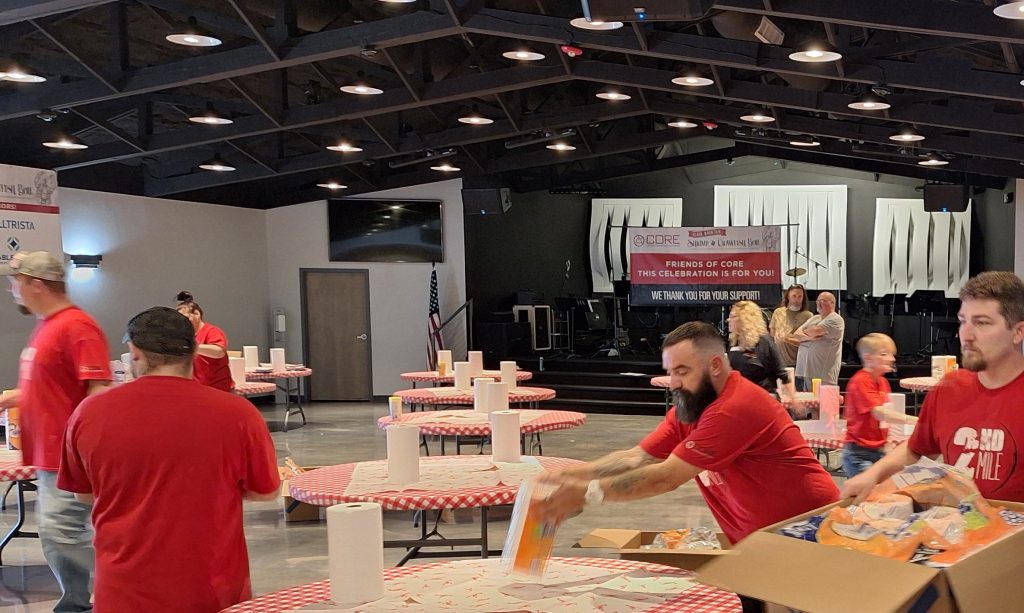
The tournament also raised critical funds to support CORE’s residential recovery program. We offer heartfelt thanks to everyone who made the event possible: our sponsors, golfers, Second Mile volunteers, and staff. Your support means everything to the men and women we serve.

If you missed this year’s tournament, don’t worry—planning for next year has already begun. We can’t wait to see you on the green on Tuesday, May 12, 2026!

A Night to Remember: CORE’s 2025 Auction Smashes Fundraising Records!


A Night to Remember: CORE’s 2025 Auction Smashes Fundraising Records!

On May 15th, CORE’s Branson auditorium was transformed into a place of excitement, gratitude, and record-breaking generosity. It wasn’t just the items on the table—it was the heart in the room. CORE’s annual dinner auction shattered all previous fundraising records thanks to an outpouring of generosity from individuals who believe in our mission. Our guests weren’t just donors—they are friends, allies, and champions of recovery. Every paddle raised was a vote of confidence in CORE’s work to help newcomers find recovery, purpose, and productivity.

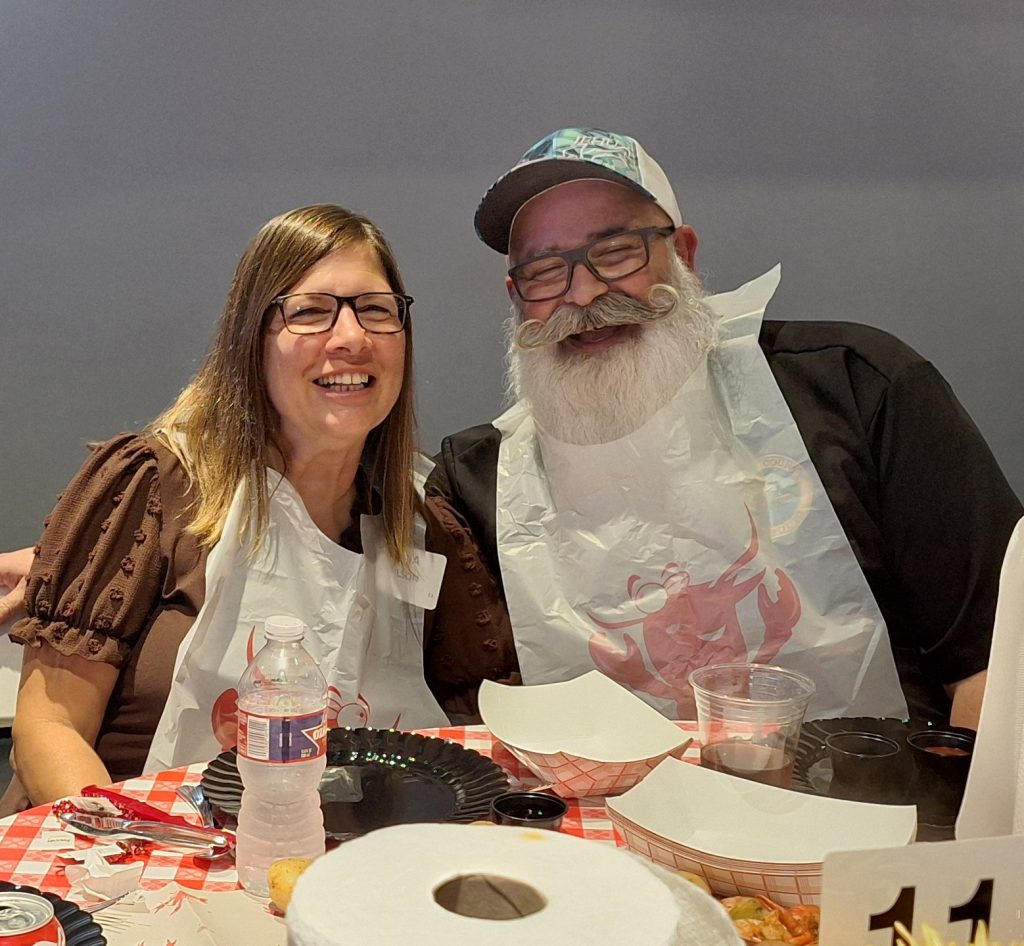
The real stars of the evening were our friends who attended—not just to give, but to stand with us. It was an unforgettable evening of food, fun, fellowship—and unwavering support for our mission to help men and women find lasting recovery. From the very beginning, the buzz was palpable. Dinner tables filled quickly, and before the first bite of roast pork or chicken was served, it was clear we were witnessing something special.

We owe much of this year’s incredible turnout to our presenter, Ozarks Dynacom, whose family of radio stations masterfully promoted the event across the Tri-Lakes region. Special thanks also go to Image Works, Inc., which designed and distributed beautiful advertisements across web, print, and digital platforms.

This event would not have been possible without our generous sponsors—all of whom share our heart for individuals in need and take joy in helping them succeed. We’re also grateful to the more than 100 businesses and artisans who contributed items for our live and silent auctions. You’re the best!

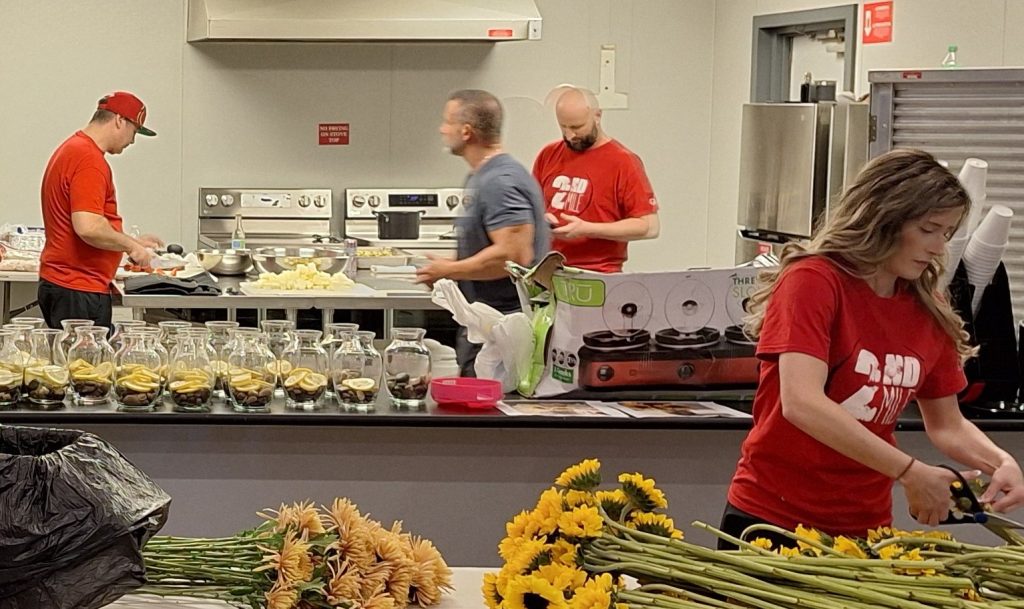
As always, CORE’s culinary team of Christos Papanikas and Adam Yorty, along with their Second Mile kitchen staff, delivered a meal to remember: tender roast pork and chicken with traditional sides, followed by decadent desserts. It wasn’t just dinner—it was a gathering of friends, families, and CORE alumni celebrating what this program does for our community.

Special thanks also go out to our HR Manager, Tami McKinney, who planned this occasion down to the last second—literally! In fact, shortly before the auction, Tami emerged from her top-secret special events bunker as if awakened from a dream, holding in her hands a written plan so intricate and precise that, according to rumor, it is envied by the SpaceX engineers who calibrate instruments on space rockets.  Accordingly, the whole evening went off without a hitch.  

Silent Auction & Raffle Excitement

A wide array of silent auction items drew steady interest as guests arrived. Everything from valuable gift baskets to resort packages and sporting goods sparked competitive bids and showcased the generosity of local businesses and artisans. Meanwhile, the 50/50 raffle brought an extra dose of anticipation, selling thousands of dollars’ worth of tickets and culminating in a high-energy drawing that had the whole room leaning in. The winner was none other than a very happy mother of three, Krista Moss!

Another Raffle Thrill

After the 50/50 raffle, CEO Cary McKee announced another exciting opportunity—a drawing for a “President” firearm manufactured by none other than Nighthawk Custom. Known for producing elite firearms prized by collectors and enthusiasts, Nighthawk sent company representative and shooting grandmaster Austin Chamberlain to showcase the stunning firearm. You could have heard a pin drop as he described its features to the captivated audience.

Raffle tickets, which are $100, are now available on CORE’s webpage up to the next charity auction on May 14, 2026, when the winner will be drawn!

A Live Auction Full of Surprises

The evening reached its crescendo during the live auction, presided over by auctioneers Duane and Kay Gerken! From pies and cakes that launched bidding wars, to competition for one-of-a-kind treasures, the crowd was simply electric. Even the final item—a Buc-ee’s Bucket filled with jerky, chips, and popcorn—sold for an unbelievable $875! It was just one of many moments that showcased the lighthearted generosity of the evening, which raised a whopping $65,000 in support of CORE’s residential recovery program.

The Power of Shared Purpose

During the festivities, Cary took the stage to thank the crowd and reflect on what the evening means for our clients. He reminded us that it wasn’t the items that made this event so powerful—it was the people. The attendees weren’t just donors; they are partners in our shared vision of recovery and purpose for those still struggling. Their generosity not only broke records but also sends a clear message: the Ozarks believes in second chances.

Gratitude Beyond Words

From all of us at CORE, thank you! Thank you to the sponsors, donors, volunteers, staff, and every friend who made this night unforgettable. The success of this year’s fundraiser will ripple out into changed lives, restored families, and lasting hope. We can’t wait to see what we accomplish together in the year ahead!